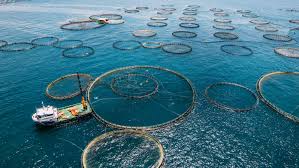
People often wonder, is fish farming good for the environment? It can seem a bit tricky to figure out at first, with so many different opinions out there. But don’t worry, we’re going to break it down in a simple, easy-to-follow way.
We’ll explore what makes it good and what challenges it faces, so you can feel confident in your understanding. Let’s start by looking at the basics.
Key Takeaways
- Fish farming can offer a sustainable way to produce seafood.
- Environmental impacts depend heavily on the farming methods used.
- Properly managed farms reduce pressure on wild fish populations.
- Feed sourcing and waste management are key environmental considerations.
- Technological advancements are improving the sustainability of aquaculture.
- Responsible choices empower consumers to support eco-friendly practices.
Environmental Impacts Of Fish Farming
When we talk about fish farming, also known as aquaculture, we’re talking about raising fish, shellfish, or aquatic plants in controlled environments. This is different from catching fish from the wild. The question of is fish farming good for the environment is complex because aquaculture has both good and bad potential impacts.
It’s not a simple yes or no answer. We need to look at how different farms operate and what steps they take to protect nature. Understanding these details helps us see the bigger picture and make informed decisions.
Sourcing Feed For Farmed Fish
A major part of fish farming is the food the fish eat. This feed often comes from other fish, like anchovies and sardines, caught from the ocean. Using wild-caught fish for feed can put pressure on those wild populations if not managed carefully.
This is a big concern for environmentalists. However, researchers are developing new feed ingredients. They are looking at plant-based sources, algae, and even insect meal.
These alternatives could greatly reduce the reliance on wild fish for feed. This shift is crucial for making fish farming more sustainable in the long run.
- Wild fish are currently a main ingredient in many fish feeds.
- This practice can lead to overfishing of certain marine species.
- New feed alternatives are being developed to lessen this impact.
Feeding fish is a science. The exact mix of ingredients is designed to give fish the nutrients they need to grow. This includes proteins, fats, vitamins, and minerals.
While wild-caught fish are nutrient-rich, their availability can fluctuate. This can also affect the cost and consistency of feed. Developing alternative ingredients helps ensure a stable and sustainable feed supply.
It also diversifies the sources, making the system more resilient.
Some farms are already using innovative feed recipes. These might include a higher percentage of plant proteins or byproducts from other industries. Algae, for example, is a rich source of omega-3 fatty acids, just like fish oil.
Using algae could significantly cut down on the need for fish oil derived from wild catches. The goal is to create feeds that are both nutritious for the fish and environmentally responsible.
Waste Management And Water Quality
Fish farming can also affect the water around the farms. Fish produce waste, which is like poop. If too much waste builds up in one place, it can harm the water quality.
This can lead to less oxygen in the water, which is bad for wild fish and other sea creatures. It can also cause algae to grow too much, which is called algal bloom. These blooms can block sunlight from reaching underwater plants and create dead zones where nothing can live.
- Fish waste can build up and lower water quality.
- This can harm local marine ecosystems and reduce oxygen levels.
- Proper farming techniques manage waste to protect water health.
Modern fish farms use many methods to control waste. Some farms are built on land in tanks. This way, they can collect and treat the waste before releasing clean water.
Other farms use cages in the ocean, but they are designed to let water flow through them. This helps spread out the waste. They also monitor the water very closely to make sure it stays healthy.
The amount of fish in a cage is carefully controlled to prevent too much waste from being produced in one spot.
Recycling is also becoming a big part of waste management. Some farms collect fish waste and use it as fertilizer for plants or to grow other things. This turns a potential problem into a useful resource.
Technologies are also being developed to remove excess nutrients from the water. This ensures that the environment around the farm stays clean and healthy for all living things.
Habitat Impact And Land Use
When setting up fish farms, especially those on land, we need to think about where they are built. Building farms in the wrong places can hurt natural habitats like mangrove forests or coastal wetlands. These areas are very important for many plants and animals.
They act as nurseries for young fish and protect shorelines from storms. Destroying these areas for fish farms would be bad for the environment.
- Building farms in sensitive areas can damage natural habitats.
- Coastal ecosystems like mangroves are vital for biodiversity.
- Careful site selection minimizes negative impacts on land and sea.
On the other hand, some fish farms are designed to work with nature. For example, offshore fish farms are located far from the coast, reducing direct impact on sensitive habitats. These farms are often in areas with strong currents that help disperse waste naturally.
They can also be built on land in areas that have already been used for other purposes, like old industrial sites, rather than clearing natural land.
Responsible aquaculture development involves thorough environmental assessments before a farm is built. This means studying the local ecosystem and ensuring the farm’s location will not cause harm. It also means using designs that minimize the footprint of the farm.
For instance, some land-based systems use closed-loop water circulation. This means water is treated and reused many times, reducing the need for new land and minimizing water discharge.
Disease Prevention And Biosecurity
When many fish are kept together in one place, diseases can spread quickly. If a disease breaks out, it can harm the farmed fish and potentially spread to wild fish populations nearby. This is a big concern for the health of both farmed and wild animals.
Farmers need to take strong steps to prevent diseases from starting and spreading.
- Diseases can spread easily among farmed fish.
- This can harm wild fish populations if it gets out of control.
- Strict biosecurity measures protect fish health and the environment.
To prevent diseases, fish farms have strict rules called biosecurity measures. This is like a health protocol for the farm. It includes regularly checking the fish for signs of illness.
It also involves cleaning and disinfecting equipment that comes into contact with the fish. Farmers often vaccinate the fish against common diseases. They also try to ensure that the fish they buy to stock the farm are healthy to begin with.
Another important aspect is managing stress in the fish. Stressed fish are more likely to get sick. Farmers work to make sure the fish have enough space, clean water, and good food.
This helps keep them healthy and strong. If a disease is detected, prompt action is taken to contain it and treat affected fish. This might involve separating sick fish or using approved treatments to stop the spread.
Genetic Impacts On Wild Populations
Sometimes, farmed fish can escape from their pens. If these escaped fish are a different species or genetically different from wild fish, they can cause problems. They might breed with wild fish, changing the natural genetic makeup of the wild population.
This can make wild fish less able to survive in their natural environment. For example, if farmed salmon escape and breed with wild salmon, the offspring might not be as well-suited to surviving in rivers and the ocean.
- Escaped farmed fish can interbreed with wild fish.
- This can weaken the genetic traits of wild populations.
- Strong containment systems prevent fish from escaping.
To prevent escapes, fish farms use strong nets and secure cages. These are designed to withstand storms and prevent fish from getting out. Farmers also carefully choose the species of fish they raise.
They try to avoid farming species that are known to cause significant problems if they escape. Monitoring escaped fish and managing their populations if they do get out is also part of responsible aquaculture.
Another approach is to raise sterile fish. These fish cannot reproduce, so even if they escape, they cannot breed with wild fish. This is a very effective way to prevent genetic impacts on wild populations.
The goal is to ensure that aquaculture does not negatively affect the natural biodiversity of our oceans and rivers.
Benefits Of Responsible Fish Farming
Despite the challenges, when fish farming is done right, it can be very good for the environment and for people. One of the biggest benefits is that it helps reduce the pressure on wild fish stocks. Many wild fish populations are struggling because too many fish are being caught.
Fish farming can provide a steady supply of seafood without taking so many fish from the ocean.
- Reduces overfishing of wild fish populations.
- Provides a consistent and controlled source of seafood.
- Can be more efficient in terms of resource use than some other food production.
Imagine the oceans having a break from constant fishing. This allows wild fish populations to recover and thrive. Farmed fish can fill the demand for seafood, allowing these wild populations to rebuild.
This is a win-win situation for the environment and for future generations of seafood lovers. It ensures that we can continue to enjoy fish for a long time without depleting natural resources.
Furthermore, well-managed fish farms can be very efficient. They use less land and water compared to some other types of farming, like raising cattle or growing certain crops. For example, a fish farm might produce a lot of protein in a small area with a controlled water system.
This efficiency means that aquaculture can play a vital role in feeding a growing global population in a more sustainable way.
Supporting Biodiversity And Ecosystems
Some forms of aquaculture can actually help support biodiversity. For instance, farming shellfish like oysters and mussels can improve water quality. These shellfish filter tiny particles and pollutants from the water as they feed.
This makes the water cleaner for other marine life. It’s like having a natural water purification system.
- Shellfish farming cleans the water by filtering out pollutants.
- This creates healthier environments for other marine species.
- Aquaculture can contribute to restoring damaged marine habitats.
Oyster reefs, for example, provide habitat for many small creatures. When we farm oysters, we are essentially creating new reefs. These reefs offer shelter and places to live for fish, crabs, and other small animals.
This can increase the overall health and diversity of the local marine ecosystem. It’s a way that farming can give back to nature.
Marine farms can also be used to restore damaged habitats. For example, seagrass beds or coral reefs that have been degraded can sometimes be replanted. Fish farms can be located nearby, providing nutrients or protection for these restoration efforts.
This integrated approach shows how aquaculture can work in harmony with natural systems to enhance them.
Economic And Social Benefits
Fish farming is not just about the environment; it also provides jobs and boosts local economies. Many coastal communities rely on aquaculture for their livelihood. It creates employment in farming, processing, and distribution of seafood.
This can help support families and communities, especially in areas where other job opportunities might be scarce.
- Aquaculture creates jobs and supports local economies.
- It provides a stable income source for many communities.
- Responsible farming can lead to sustainable development.
These farms can also help ensure a stable supply of seafood. This means more people have access to nutritious food. Fish are a good source of protein, vitamins, and healthy fats.
By farming fish, we can make sure that this important food source is available consistently and affordably. This contributes to food security for many people around the world.
The growth of the aquaculture industry also drives innovation. Farmers and scientists are constantly working to find better ways to raise fish. This includes developing more sustainable feed, improving disease prevention, and reducing environmental impacts.
This innovation benefits not only the industry but also the broader goal of sustainable food production.
Choosing Sustainable Seafood
So, is fish farming good for the environment? The answer truly depends on how it’s done. When farms are managed responsibly, with careful attention to feed, waste, and habitat, they can be a crucial part of sustainable food systems.
They can help protect wild fish populations and even support marine ecosystems. Making informed choices as consumers is also important. By supporting farms that use eco-friendly practices, we can encourage more sustainable aquaculture.
Certifications And Labels To Look For
When you are at the grocery store or a restaurant, you might see labels on seafood products. These labels are like badges of honor for farms that are doing things right. Look for certifications from organizations like the Aquaculture Stewardship Council (ASC) or the Best Aquaculture Practices (BAP).
These groups have strict standards for environmental and social responsibility.
- Look for certifications like ASC or BAP.
- These labels indicate adherence to environmental standards.
- Certifications help consumers make informed choices.
These certifications mean that the farm has been audited and meets high standards. They have been checked for things like responsible feed sourcing, good water quality, and minimizing environmental impact. Choosing seafood with these labels helps you support farms that are truly committed to being good for the environment.
It’s also helpful to ask questions. Don’t hesitate to ask your fishmonger or restaurant staff where their seafood comes from and how it was raised. Many people who work with seafood are happy to share information about their products.
The more consumers ask, the more businesses will be encouraged to provide sustainable options.
Understanding Different Types Of Aquaculture
There are several main ways fish are farmed, and each has its own environmental footprint. Land-based recirculating aquaculture systems (RAS) are tanks on land where water is filtered and reused. These systems use less water and allow for great control over waste.
However, they use a lot of energy for pumping and filtration. Offshore net pens are cages in the ocean. They use the natural flow of water to help with waste dispersal, but escapes and pollution can be concerns if not managed well.
Ponds are also used, often on land, where fish grow in a contained body of water. The environmental impact here depends on how the pond is managed and if any waste or uneaten food escapes.
Shellfish farming, like for oysters and mussels, is generally considered very environmentally friendly. These animals filter water and don’t require feed. In fact, they often improve water quality.
Seaweed farming, or mariculture, also has many benefits. Seaweed absorbs excess nutrients from the water and doesn’t need feed or freshwater. It can also help reduce ocean acidification.
Understanding these different methods helps us appreciate that not all fish farming is the same.
Common Myths Debunked
Myth 1: All Fish Farming Pollutes The Environment
This is not true. While poorly managed farms can cause pollution, many modern farms use advanced techniques to minimize their impact. They monitor water quality, treat waste, and use practices that protect surrounding ecosystems.
Responsible aquaculture is designed to prevent pollution.
Myth 2: Farmed Fish Are Unhealthy And Full Of Chemicals
Many farmed fish are raised without the use of harmful antibiotics or chemicals. Reputable farms follow strict guidelines for fish health and growth. In fact, some farmed fish, like salmon, can be a great source of healthy omega-3 fatty acids, sometimes even more so than wild-caught varieties.
Myth 3: Fish Farming Always Harms Wild Fish Populations
Well-managed fish farms can actually help wild fish populations by reducing fishing pressure. When we farm fish, we take demand off wild stocks. However, it is crucial to prevent escaped farmed fish from interacting with wild populations.
This is achieved through strong containment and careful species selection.
Myth 4: All Fish Feed Is Made From Overfished Species
While some fish feed historically relied heavily on wild-caught fish, this is changing. Scientists are developing and using alternative ingredients like plant proteins, algae, and insect meal. These innovations reduce the need for feed made from wild fish, making aquaculture more sustainable.
Frequently Asked Questions
Question: Is it better to eat wild fish or farmed fish
Answer: It depends on the specific type of fish and how it was farmed or caught. Sustainably farmed fish and fish caught using responsible methods can both be good choices. Look for certifications to guide your decision.
Question: What are the biggest environmental problems with fish farming
Answer: The main concerns include waste pollution, the use of wild fish for feed, potential disease spread to wild populations, and habitat destruction from farm sites. However, many farms are working to address these issues.
Question: Can fish farming help feed a growing world population
Answer: Yes, responsibly managed fish farming can play a significant role in food security by providing a consistent and efficient source of protein without depleting wild resources.
Question: Are there any fish farms that are certified as environmentally friendly
Answer: Yes, organizations like the Aquaculture Stewardship Council (ASC) certify farms that meet high environmental and social standards. Looking for these labels is a good way to find sustainable options.
Question: How can I tell if my seafood is sustainably sourced
Answer: Look for credible certifications on the packaging, ask questions at the point of sale, and consult resources like seafood guides that rate different species based on sustainability.
Final Thoughts
So, is fish farming good for the environment? When done with care and the right practices, it absolutely can be. Responsible aquaculture offers a way to get seafood without overfishing wild stocks, and some farms even help clean the water.
By choosing certified or well-managed seafood, you support a more sustainable future for our oceans and the food we eat.