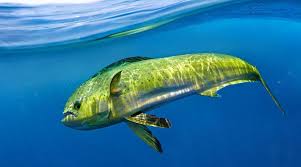
It’s a question many people wonder about, especially when they first start learning about fish and their bodies. Does fish fart is a common query because it’s not something we often think about, and the answer isn’t always obvious. But don’t worry, understanding if fish can pass gas is simpler than you might think.
We’ll break it down step by step.
Key Takeaways
- Many fish do not fart in the way mammals do.
- Some fish can release gas, but it’s often through different mechanisms.
- The gas fish produce can come from digestion or respiration.
- Understanding fish anatomy helps explain their gas production.
- Not all fish are equipped to fart.
Fish Gas Production What’s Really Happening
When we talk about fish and gas, it’s important to understand that their bodies work differently from ours. For most animals, farting is a way to release gas built up in the digestive system. Fish have unique systems that affect how they handle gas.
This section explores the biological reasons behind gas in fish and why the concept of a “fish fart” is often misunderstood.
The main reason people ask does fish fart is because they see or hear about fish releasing bubbles or making noises. This can easily be mistaken for farting. However, the reality is a bit more complex and depends heavily on the specific type of fish and its anatomy.
Digestive Gas In Fish
Some fish do experience gas from their digestive processes. This happens when bacteria in their gut break down food. Similar to humans, this breakdown can create gases like methane and carbon dioxide.
However, the way fish release this gas is often not through a typical anus like mammals.
The digestive tracts of fish vary greatly. Some have simple, short intestines, while others have more complex systems. The presence of gas is a natural byproduct of digestion for many living organisms, and fish are no exception when it comes to breaking down their food.
- Gut Bacteria Activity: The microbes within a fish’s gut play a significant role. These tiny organisms help digest food, and a common consequence of their metabolic activity is the production of gas. The amount and type of gas produced depend on the fish’s diet and its specific gut microbiome.
- Dietary Influences: What a fish eats can directly impact gas production. Foods that are harder to digest or contain certain compounds might lead to more gas. For example, fish that consume a lot of plant matter might have different gas profiles compared to predatory fish.
This digestive gas needs to go somewhere. In many fish, this gas can be reabsorbed into the bloodstream and expelled through the gills during respiration. This is a crucial difference from how mammals expel digestive gases.
It means the gas doesn’t necessarily exit the body from the rear end.
Swim Bladder Function And Gas
Perhaps the most significant factor in understanding fish and gas is the swim bladder. This internal organ is used by many fish to control their buoyancy. It’s essentially a gas-filled sac that allows them to float at different depths without expending much energy.
The swim bladder is not part of the digestive system, but it is a major source of gas within a fish’s body. Fish can actively fill or empty their swim bladders by adding or removing gas. This process is vital for their survival and ability to hunt or hide.
- Gas Secretion and Absorption: Fish can secrete gases into the swim bladder from their bloodstream. They can also reabsorb gases back into the bloodstream. This mechanism is controlled by specialized tissues within the swim bladder wall.
- Buoyancy Control: The primary function of the swim bladder is to allow fish to maintain their position in the water column. By adjusting the amount of gas, a fish can become more or less buoyant, allowing it to hover, ascend, or descend with ease.
While the swim bladder is filled with gas, the release of this gas is usually controlled and not a sudden expulsion like a fart. However, in certain situations, a fish might release gas from its swim bladder. This can happen if the fish ascends too quickly, causing the gas to expand and force its way out.
Respiration And Gas Exchange
Fish breathe using gills, which are designed to extract oxygen from water and release carbon dioxide. This respiratory process also involves gas exchange, but it’s primarily about oxygen intake and carbon dioxide output, not expelled digestive gases.
The carbon dioxide that is a byproduct of respiration is released through the gills continuously. This is a constant process and is not comparable to farting. It’s a fundamental part of how fish survive in their aquatic environment.
- Gill Functionality: Gills are highly efficient organs for gas exchange. Water passes over the gill filaments, where oxygen is absorbed into the blood, and carbon dioxide is released. This process is continuous as long as the fish is alive and respiring.
- Carbon Dioxide Release: The carbon dioxide produced during cellular respiration within the fish’s body is transported by the blood to the gills. Here, it diffuses out of the blood and into the water.
Sometimes, bubbles seen rising from fish might be related to respiration, especially if the fish is stressed or there’s an issue with its oxygen levels. However, this is typically dissolved gases in the water or air escaping from the fish, not a deliberate expulsion of digestive gas.
Do Fish Fart The Scientific Perspective
The direct answer to “does fish fart” is nuanced. While most fish do not fart in the way we commonly understand it, some can release gas from their bodies. The key is understanding the different ways fish produce and expel gas, and that these methods are not always via an anal opening.
The scientific community generally distinguishes between the expulsion of digestive gases from the anus and the release of gas from other body parts. For most fish, the anal opening is primarily for waste excretion, not gas release.
Anatomy Matters
The anatomy of a fish plays a crucial role in whether it can “fart.” Most fish have a digestive tract that leads to an anus. If gas builds up in the intestines, it could theoretically be expelled from this opening.
However, many fish have short digestive tracts, and gases are often absorbed or released through other means. The presence of a swim bladder also complicates the idea of simple farting.
- Digestive Tract Length: A longer, more complex digestive tract can lead to more gas buildup. Fish with shorter tracts may not accumulate as much gas that needs to be expelled.
- Anal Opening Function: The primary function of the anal opening in fish is the excretion of solid waste. While gas can pass through, it is not its main purpose, and many fish lack the musculature for controlled expulsion of gas.
Some studies suggest that certain types of fish, particularly those with more developed digestive systems, might be capable of releasing gas from their anus. However, this is not a widespread phenomenon across all fish species.
Swim Bladder Gas Expulsion
When fish release gas, it is very often from their swim bladder. This is a controlled release, or sometimes an involuntary one, to adjust buoyancy. This gas is usually released through a small duct or pore, not an anus.
This release can sometimes create bubbles that rise to the surface. Observers might interpret these bubbles as farting, but they originate from the swim bladder, not the digestive system. It’s a physiological response for buoyancy regulation.
- Involuntary Ascent: If a fish ascends too rapidly, the gas in its swim bladder expands due to lower pressure. This can lead to an emergency expulsion of gas to prevent damage to the swim bladder.
- Controlled Adjustment: Fish regularly adjust the gas in their swim bladder to maintain neutral buoyancy. This is a slow and controlled process, not a sudden expulsion.
The gas expelled from the swim bladder is typically oxygen, nitrogen, and carbon dioxide. The composition can vary depending on the species and the fish’s physiological state.
Fish That Can Fart
While it’s not common, some specific fish species are known to produce and expel gas in a way that could be considered farting. These are usually fish with particular adaptations in their digestive or respiratory systems.
One well-known example is the oyster toadfish. Studies have shown that this fish can emit gas from its anus. This is thought to be related to their digestive processes and specific anatomical features.
Another example might include some deep-sea fish that have specialized mechanisms for gas release. However, for the vast majority of common aquarium and wild fish, the answer to does fish fart is largely no, or at least not in the way we typically mean.
Common Myths Debunked
Myth 1 Fish Fart All The Time
This is not true. While some fish can release gas, it’s not a constant or common occurrence for most species. Many fish have no need or ability to expel gas in this manner.
Myth 2 Fish Farts Smell Bad
The concept of “smell” in water is different from air. If fish were to release gas from their digestive system, it would dissipate in the water. The primary gases produced, like methane, do not have a strong “smell” in an aquatic environment.
Myth 3 All Bubbles From Fish Are Farts
This is a common misconception. Bubbles can come from the swim bladder, from the fish gulping air, or from oxygen release during respiration. They are not always a sign of farting.
Myth 4 Fish Fart Like Humans Do
The biological process is different. Humans expel digestive gas from the anus. While some fish might release gas from their anus, many others release gas from their swim bladder or reabsorb it.
The mechanism and purpose are distinct.
Frequently Asked Questions
Question: Do all fish fart
Answer: No, not all fish fart. Many fish do not have the anatomy or physiological processes to expel gas in a manner we would typically call farting.
Question: How do fish fart if they do
Answer: If a fish farts, it’s usually due to digestive gas being expelled from the anus or gas being released from the swim bladder. The swim bladder release is more common and related to buoyancy.
Question: Can fish hold their gas
Answer: Fish can manage gas in their bodies, especially in their swim bladders, for buoyancy control. Digestive gas is less about “holding” and more about absorption or different expulsion routes.
Question: What kind of gas do fish release
Answer: Fish can release gases like carbon dioxide, methane, and nitrogen. The type of gas depends on whether it’s from digestion or swim bladder function.
Question: Why would a fish release gas from its swim bladder
Answer: Fish release gas from their swim bladder to control buoyancy, allowing them to ascend, descend, or maintain their position in the water column.
Summary
In short, the question does fish fart has a complex answer. While some fish can expel gas from their digestive tracts, it’s not a common behavior for most. Often, what looks like farting is actually gas release from the swim bladder for buoyancy.
So, while the idea is intriguing, most fish don’t fart like we do.