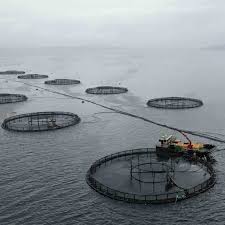
Have you ever wondered about fish farms and how they raise so many fish? Many people find learning about how fish farming works a bit confusing at first. It can seem like a lot of different steps.
But it doesn’t have to be complicated. We’ll break it down step-by-step so you can see exactly what happens.
Key Takeaways
- Fish farming involves raising fish in controlled environments like tanks or ponds.
- Farmers carefully manage water quality, feed, and health to grow healthy fish.
- Different types of fish require different farming methods and conditions.
- Fish farming plays a role in meeting global seafood demand.
- Sustainable practices are important for minimizing environmental impact.
What Is Fish Farming
Fish farming, also known as aquaculture, is the practice of growing fish and other aquatic organisms in controlled environments. This is done to produce food for people to eat or to repopulate wild fish populations. Instead of catching fish from the wild, farmers raise them from eggs or young fish called fry.
They provide everything the fish need to grow big and healthy. This includes clean water, the right food, and protection from predators. It’s like a farm, but for fish instead of cows or chickens.
Types of Aquaculture Systems
There are several main ways fish farms operate. Each method is suited to different types of fish and locations. Understanding these systems helps us see the variety in fish farming.
-
Pond culture is a very common method. Farmers create or use natural ponds. These ponds are filled with water, and fish are stocked.
The fish grow in the pond, eating natural food and added feed. It’s a natural setting but managed by the farmer. Water quality is checked regularly.
Fish are harvested when they reach the desired size.
-
Recirculating aquaculture systems (RAS) are more advanced. These systems use tanks. The water is continuously filtered and reused.
This means less water is needed. It also helps control the environment very precisely. RAS farms can be built almost anywhere, even far from natural water sources.
This is good for sustainability. The controlled environment helps fish grow faster and healthier.
-
Raceways are long, narrow channels. Water flows through them from one end to the other. Fish swim against the current.
This mimics a natural river or stream flow. The constant flow of fresh water helps keep the water clean. It also provides exercise for the fish, leading to firmer flesh.
This method is often used for salmon and trout.
-
Net pens or cages are used in larger bodies of water. These are essentially underwater fences. They are placed in lakes, rivers, or the ocean.
Fish are stocked inside the cages. Water flows freely through the netting, bringing food and oxygen. Farmers must carefully monitor the surrounding water quality.
They also manage the feed and fish health within the pens.
Fish Species Commonly Farmed
Many different kinds of fish are raised on farms. The choice often depends on what the market wants and what grows well in a particular system. Some fish are more popular than others for farming.
-
Salmon is a very popular farmed fish. It’s known for its healthy fats and taste. Salmon farming usually happens in net pens in coastal areas.
Farmers raise them from small smolts to full size. Careful feeding and health checks are vital for large salmon harvests.
-
Tilapia is another widely farmed fish. It’s a freshwater fish that grows quickly. Tilapia can be raised in ponds or tanks.
They are a good source of protein and are affordable. Their rapid growth makes them a good choice for many farmers.
-
Catfish are also a common farmed species. They are raised in ponds in many parts of the world. Catfish are hardy and adapt well to farming conditions.
They are a popular food fish, especially in certain regions.
-
Trout, especially rainbow trout, are farmed in cooler waters. They are often raised in raceways or net pens. Trout farming requires clean, oxygen-rich water.
Their preference for cooler temperatures means they are often farmed in mountainous areas or near cold springs.
The Process of Raising Fish
Raising fish involves several key stages, from getting the young fish to harvesting them. Each stage needs careful attention from the farmer. The goal is to provide the best environment for the fish to thrive and grow.
This ensures a good harvest and healthy seafood.
From Egg to Fry
Fish farming starts with the very young fish. These can be eggs or newly hatched fish called fry. Farmers get these from specialized hatcheries.
Hatcheries carefully breed fish and collect their eggs. The eggs are kept in controlled conditions until they hatch. Once hatched, the fry are very small and need special food.
This initial stage is critical for survival. Farmers ensure the water is clean and the food is appropriate for these tiny creatures. Good care at this stage leads to stronger fish later on.
For example, salmon hatcheries will keep eggs in cool, flowing water. Once hatched, the fry feed on their yolk sac for a while. Then they are fed tiny, specially prepared food.
This process ensures they have the best start. It’s a delicate period where many things can go wrong, so close monitoring is key.
Growth and Feeding
As the fish grow, their needs change. Fry become fingerlings, then juveniles, and finally adults. Farmers adjust the size and type of food they are given.
The feed is designed to provide the necessary nutrients for healthy growth. This feed often contains fish meal, fish oil, grains, and vitamins. It’s formulated to be balanced and digestible.
The amount of feed is also important. Farmers calculate how much to feed based on the fish’s size, age, and water temperature. Overfeeding can waste food and pollute the water.
Underfeeding can slow down growth. So, it’s a balance. For instance, farmed salmon are fed pellets several times a day.
The amount is adjusted as they grow larger. This helps them reach market size efficiently.
Feeding is a significant part of the cost in fish farming. The quality of the feed directly impacts the health and growth rate of the fish. Better feed means healthier fish and faster production.
This makes choosing the right feed a vital decision for any fish farmer. It also influences the nutritional value of the fish when it reaches the consumer.
Water Quality Management
Water is the most important element in fish farming. Keeping the water clean and healthy is a top priority. Farmers monitor various parameters like temperature, dissolved oxygen, pH, and ammonia levels.
If these levels are not right, fish can get sick or even die.
-
Temperature: Different fish species prefer different water temperatures. For example, trout need cold water, while tilapia prefer warmer conditions. Farmers must maintain the correct temperature for their specific fish.
This might involve heating or cooling the water, or choosing a location with suitable natural temperatures.
-
Dissolved Oxygen: Fish need oxygen to breathe, just like we do. In farmed systems, oxygen levels can drop if there are too many fish or if the water isn’t circulating well. Aerators or water pumps are used to add oxygen to the water.
Good water flow in tanks and ponds is essential to maintain oxygen levels.
-
pH Levels: pH measures how acidic or basic the water is. Most fish thrive in a neutral pH range. Farmers may add substances to the water to adjust the pH if it becomes too high or too low.
Testing pH regularly ensures it stays within the ideal range for the fish’s health and growth.
-
Ammonia and Nitrites: Fish produce waste, which contains ammonia. Ammonia is toxic to fish. Beneficial bacteria in the water or filtration systems convert ammonia into nitrites, and then into less harmful nitrates.
In RAS, these bacteria are cultured in filters. In ponds, natural processes help break down waste. Monitoring these levels is crucial to prevent fish poisoning.
Here’s a simple scenario. Imagine a farmer notices the fish are gasping at the surface. This often means there isn’t enough dissolved oxygen.
The farmer would then immediately check the aerators or pump more fresh water into the system.
Disease Prevention and Health
Keeping fish healthy is as important as feeding them. Farmers work hard to prevent diseases from spreading. This includes maintaining good water quality, providing proper nutrition, and managing stocking densities.
If fish get sick, treatments can be given, but preventing illness is always better.
Biosecurity measures are also in place. This means preventing harmful organisms from entering the farm. For example, equipment might be cleaned before being used in different tanks.
Staff might follow specific hygiene rules. These steps help protect the fish from viruses and bacteria. Vaccinations are sometimes used for certain fish species.
A case study in salmon farming showed that by improving feed quality and reducing stocking density in net pens, disease outbreaks decreased significantly. This led to higher survival rates and better-quality fish. It highlights how managing daily care can have big impacts.
Harvesting and Processing
When the fish reach the desired size, they are harvested. This is done carefully to minimize stress on the fish. For pond-raised fish, the ponds might be drained to make harvesting easier.
In net pens, specialized nets are used to collect the fish. Once harvested, the fish are usually quickly processed. This might involve cleaning, gutting, and packaging for sale.
Quick processing helps maintain freshness and quality. It’s important for the fish to be handled humanely throughout this process.
Sustainability in Fish Farming
As fish farming grows, making sure it’s done sustainably is very important. This means farming methods that do not harm the environment. It also means ensuring the long-term health of fish populations and the ecosystems they live in.
Many farms are now focused on reducing their impact.
Environmental Considerations
One major concern is pollution. Fish waste and uneaten food can affect the water quality of surrounding areas. Sustainable farms use technologies to minimize this.
For example, systems that capture waste or treat water before it is released. Another aspect is the use of wild-caught fish for feed. Many farms are exploring alternative protein sources for fish feed.
This reduces pressure on wild fish stocks. Responsible sourcing of feed ingredients is a key sustainability practice.
Habitat protection is also vital. Fish farms should not be built in sensitive natural habitats. For example, damaging coral reefs or mangrove forests.
Careful site selection and management practices help protect these areas. Regulations often guide where and how farms can operate to protect these environments.
A study on European seabass farming found that farms using integrated multi-trophic aquaculture (IMTIA) had a significantly lower environmental footprint. IMTIA involves farming different species together, where the waste from one species feeds another. This creates a more balanced ecosystem within the farm.
This approach shows promise for reducing pollution and improving resource use.
Feed Alternatives
Traditional fish feed often relies heavily on fish meal and fish oil. These come from wild-caught fish. This can put pressure on wild fisheries.
Researchers and farmers are developing new feed ingredients. These include insect meal, plant-based proteins, and algae. These alternatives can provide the necessary nutrients for farmed fish.
They also help reduce the dependence on wild fish.
For instance, some farms are experimenting with using mealworms as a protein source. Mealworms are easy to farm and can be fed on organic waste. This creates a circular economy.
The fish get good nutrition, and waste is turned into a valuable resource. This type of innovation is crucial for making fish farming more sustainable in the future. The goal is to create feed that is both nutritious and environmentally friendly.
Certifications and Standards
To ensure responsible practices, many fish farms follow strict standards. Certifications like the Aquaculture Stewardship Council (ASC) label indicate that a farm meets high environmental and social standards. These certifications help consumers make informed choices.
They also encourage farms to adopt best practices. Farmers who are certified demonstrate their commitment to sustainability. This can lead to better market access and consumer trust.
For example, a farm aiming for ASC certification would be evaluated on aspects like water quality, disease management, feed sourcing, and community impact. This rigorous process ensures accountability. It helps drive continuous improvement in the industry.
Consumers looking for sustainably farmed seafood can rely on these labels to guide their purchases.
Common Myths Debunked
Myth 1: Fish farming is always bad for the environment.
Reality: While some older or poorly managed fish farms can cause environmental problems, modern and certified farms are often very sustainable. They use advanced technologies to manage waste, prevent pollution, and protect natural habitats. Many farms focus on reducing their ecological footprint.
Myth 2: Farmed fish are full of chemicals and unhealthy.
Reality: Responsible fish farms follow strict regulations regarding medication and feed. The use of antibiotics is carefully controlled and often reduced through preventative health measures. The nutritional quality of farmed fish is generally comparable to wild fish, and many are excellent sources of protein and omega-3 fatty acids.
Myth 3: Fish farming destroys wild fish populations.
Reality: Sustainable fish farming can actually help reduce pressure on wild fish stocks. By providing a reliable source of seafood, it can decrease the need for overfishing. Some aquaculture operations also focus on breeding programs to help restock depleted wild populations.
Myth 4: Farmed fish taste bland and watery.
Reality: The taste of farmed fish depends on many factors, including the species, its diet, and how it’s processed. Many farmed fish, like salmon and trout, are prized for their flavor and texture. Advances in feed formulation and farming techniques have improved the taste and quality of many farmed fish.
Frequently Asked Questions
Question: How do fish get their food on a farm?
Answer: Farmers provide specially formulated feed pellets that are given to the fish at specific times and amounts. The type of feed depends on the fish species and its stage of life.
Question: What is the biggest challenge in fish farming?
Answer: Managing water quality is often the biggest challenge. Keeping the water clean, oxygenated, and at the right temperature requires constant monitoring and effort.
Question: Can fish farms be located anywhere?
Answer: No, location is important. Some fish need specific water temperatures or salinity. Recirculating systems offer more flexibility, but still require careful consideration of resources like water and energy.
Question: How long does it take for fish to grow to market size?
Answer: This varies greatly by species. Some fish, like tilapia, can reach market size in just a few months, while others, like salmon, might take a year or more.
Question: Is fish farming a growing industry?
Answer: Yes, global demand for seafood is increasing, and fish farming is a key way to meet that demand sustainably.
Conclusion
You now have a clear picture of how fish farming works. From raising tiny fry to managing water quality and ensuring healthy growth, it’s a detailed process. Sustainable practices are key to its future.
This method provides a vital food source. Explore farmed fish options with confidence.