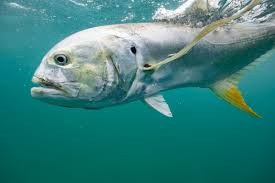
People often wonder, do fish farts smell? It’s a funny question that might seem silly to beginners. Maybe you’ve seen a funny meme or heard a strange story.
It’s not always easy to know what’s true when it comes to fish science. But don’t worry! We’re going to break it down step-by-step so you can understand it clearly.
We’ll look at the science behind it in a way that’s easy to grasp.
Key Takeaways
- Fish do produce gas.
- This gas can sometimes have a smell.
- The smell is often related to their diet and waste.
- Not all fish produce noticeable gas or smell.
- The way we detect smell is key to answering this question.
Fish And Gas Production
Let’s talk about how fish make gas. Just like other living things, fish have digestive systems. Food goes in, and as it’s broken down, gases are produced.
This is a totally normal part of digestion for most animals. The types of food a fish eats can really affect how much gas is made and what it’s made of. Different fish have different diets, so the gas they produce can vary a lot from one fish to another.
This process is similar to how humans digest food and create gas, though the specific gases and their effects differ.
The Role Of Digestion
The digestive tract of a fish is where the magic, or in this case, the gas production, happens. Bacteria in the gut play a big role. These tiny helpers break down food, and as they do, they release gases like methane and hydrogen sulfide.
These gases build up within the fish’s body. When a fish needs to expel this gas, it often happens during a process that some people refer to as a “fart.” This is an output of their digestive process.
- Fish consume food for energy and nutrients.
- Gut bacteria aid in breaking down complex food molecules.
- This breakdown releases various gases as byproducts.
The primary gases produced during digestion are often simple compounds. Methane (CH4) is a common one, produced by the breakdown of carbohydrates. Hydrogen sulfide (H2S) is another, which is known for its characteristic rotten egg smell.
The presence and concentration of these gases depend heavily on the fish’s diet and the specific microbial communities within its gut.
Dietary Influences On Gas
What a fish eats is a huge factor in the gas it produces. Fish that eat a lot of plant matter, or food with high levels of sulfur compounds, are more likely to produce gases that have a smell. For example, if a fish eats algae or decaying organic matter that is rich in sulfur, the resulting gases might be more pungent.
Imagine a person eating a lot of beans; they might produce more gas. It’s a similar idea with fish, though the specific “beans” they eat are different.
- Herbivorous fish, which eat plants, might produce different gases than carnivorous fish.
- Foods high in sulfur content can lead to the production of smelly gases.
- The overall quality and composition of the fish’s diet directly impact gas production.
For instance, a fish living in a nutrient-rich environment where it consumes decaying plant material might have a higher probability of producing hydrogen sulfide. This gas is notorious for its strong, unpleasant odor. In contrast, a fish that primarily consumes small invertebrates might produce a different mix of gases with less noticeable smells.
The scientific term for this process involves complex biochemical reactions within the fish’s digestive system.
Do Fish Farts Smell like Humans
Now, let’s get to the core of the question: do fish farts smell, and how does it compare to us? The answer is yes, they can, but it’s not always the same as what we experience. The gases produced by fish can contain compounds that are odorous to humans.
Hydrogen sulfide, which smells like rotten eggs, is a key culprit. This gas is also produced by humans during digestion. So, in a way, they share a common smelly compound.
The Science Of Odor In Fish
The ability for fish gas to smell depends on several factors. The presence of sulfur compounds is a major one. If the gases produced contain enough hydrogen sulfide, then yes, it will smell.
How and where the gas is released also matters. Some fish release gas from their anus, much like mammals. Others might release it through their gills or other specialized organs.
- Hydrogen sulfide is a common gas responsible for unpleasant odors.
- The concentration of odorous compounds in the gas is crucial.
- The method of gas release can influence how the smell is detected.
While the basic science of gas production is similar, the specifics can differ. Human farts are influenced by our varied diets, including dairy, beans, and cruciferous vegetables, all known for producing specific odor compounds. Fish diets are different, leading to potentially different gas compositions.
However, the presence of sulfur-rich food sources for fish means that similar smelly compounds can still be generated.
Comparing Fish And Human Gas
When we compare fish gas to human gas, we see similarities and differences. Both can produce methane and hydrogen sulfide. However, the exact mix and potency can vary.
A fish’s diet might be more consistent, leading to a more predictable gas composition, or it might be extremely varied depending on its environment. Human diets are incredibly diverse, leading to a wide range of gas production.
- Both humans and fish can produce hydrogen sulfide.
- The composition of gas is influenced by diet in both species.
- Environmental factors can also play a role in what a fish eats.
Consider a person who eats a large meal of broccoli and eggs. The sulfur compounds in these foods are likely to produce noticeable gas. Similarly, a fish that consumes a diet rich in decaying aquatic plants or certain types of algae might produce a similar sulfurous smell.
The smell is a result of specific chemical compounds interacting with our olfactory senses. It’s the volatile organic compounds released that trigger our sense of smell.
Do Fish Farts Smell To Other Fish
This is a fascinating part of the question: do fish farts smell to other fish? While we focus on human perception, fish have their own sensory worlds. Some fish can detect chemicals in the water, and it’s possible they can detect gases released by other fish.
These gases could be related to their digestive processes or even other biological functions. It’s not necessarily a “fart” in the way we think of it, but a release of substances into their watery environment.
Fish Communication And Chemicals
Fish use a variety of methods to communicate and sense their surroundings. They can detect pheromones, which are chemical signals. It’s plausible that gases released during digestion, especially if they contain specific compounds, could act as signals or be detected by other fish.
This could be for mating, warning of danger, or finding food. The underwater environment allows chemicals to disperse, making them detectable over distances.
- Fish detect chemicals in the water for communication and sensing.
- Pheromones are chemical signals used by fish.
- Digestive gases could potentially act as chemical signals.
The sensitivity of a fish’s olfactory organs varies greatly by species. Some fish have highly developed senses of smell, allowing them to detect minute concentrations of chemicals in the water. This sensitivity is vital for survival, helping them locate prey, avoid predators, and find mates.
The detection of digestive byproducts, if they contain unique or informative compounds, would fit within this sensory framework.
Sensory Perception In Aquatic Life
A fish’s ability to smell is quite different from ours. They don’t have noses like us. Instead, they have olfactory organs, often pit-like structures, that are sensitive to dissolved chemicals in the water.
These organs can detect a wide range of substances. If a fish releases a gas that dissolves into the water and contains detectable compounds, other fish might indeed be able to sense it. It’s a chemical detection system.
- Fish have olfactory organs, not noses, to detect smells.
- These organs are sensitive to dissolved chemicals.
- The detection of gases depends on their solubility and chemical signature.
The term “smell” in the context of fish perception refers to chemoreception, the detection of chemical stimuli. This is how they can “smell” food, predators, or potential mates. If digestive gases contain specific volatile organic compounds, these would be picked up by their olfactory receptors.
This detection could lead to a behavioral response, such as attraction, avoidance, or curiosity.
The Science Behind The Smell
Let’s break down the science of why some fish gas might smell. The key players are specific chemical compounds. As mentioned, hydrogen sulfide (H2S) is a big one.
It’s a colorless gas with a strong smell of rotten eggs. It’s produced when bacteria break down organic matter that contains sulfur. Many aquatic environments have sulfur-containing compounds, making H2S production quite common.
Chemical Compounds Involved
Other gases that can be produced during digestion include methane (CH4), carbon dioxide (CO2), and nitrogen (N2). Methane is odorless. Carbon dioxide and nitrogen are also generally odorless.
The “smell” comes from trace amounts of compounds like hydrogen sulfide. The amount of sulfur in a fish’s diet directly correlates with the potential for a smelly gas release.
- Hydrogen sulfide is the primary gas causing a rotten egg smell.
- Methane, carbon dioxide, and nitrogen are typically odorless.
- The presence of sulfur in the diet is crucial for producing odorous gas.
The concentration of hydrogen sulfide is key. A tiny amount might be undetectable, while a higher concentration can be quite pungent. For reference, the odor threshold for hydrogen sulfide in humans is very low, meaning we can detect it even when it’s present in tiny quantities.
This sensitivity is why even a small release from a fish can sometimes be noticed.
Gas Release Mechanisms
How a fish releases gas is also important. Most fish have an anus where waste and gas are expelled. This is similar to mammals.
However, some fish can also release gas through their swim bladder. The swim bladder is an internal organ that helps fish control their buoyancy. If gas builds up in the swim bladder, it can be released, and this gas could potentially carry odors.
- Gas is typically expelled through the anus.
- The swim bladder can also be a source of gas release.
- The expulsion method can affect how and where the smell is detected.
The process of gas expulsion from the swim bladder is often related to changes in depth or pressure. As a fish ascends, the gas in its swim bladder expands and needs to be released to maintain neutral buoyancy. This release can sometimes be audible and might also carry dissolved gases that could have an odor, depending on the fish’s diet and internal processes.
Do Fish Farts Smell In Aquariums
This is a practical question for anyone who keeps fish. If you have an aquarium, you might be wondering if you’ll ever smell a fish fart. The answer is, it’s highly unlikely you’ll smell anything distinct.
Aquariums are usually well-filtered and aerated. This means that any gases released by fish are quickly dispersed and diluted in the water. Plus, the volume of gas produced by a few small fish is very small compared to the volume of water.
Aquarium Water Quality
Good aquarium maintenance is key to keeping the water clean and clear. Filters remove waste and aerators add oxygen. These processes help to break down or dilute any potential odorous compounds.
Even if a fish releases a gas with a slight smell, the aquarium’s filtration system would likely process it before it becomes noticeable to humans. The constant circulation of water also helps.
- Aquarium filters help remove waste and potential odor compounds.
- Aeration adds oxygen and helps disperse gases.
- Dilution in a larger volume of water reduces detectability.
The smell of an aquarium is usually more related to decaying organic matter, uneaten food, or poor water quality rather than individual fish emissions. A healthy aquarium should not have a strong, unpleasant odor. If it does, it indicates a problem that needs addressing, usually related to overfeeding or insufficient filtration.
Detectability In A Home Environment
In a home aquarium setting, the chances of detecting a fish fart smell are extremely low. The gases produced by fish are very small in quantity and are released into a large volume of water. They are then further broken down by beneficial bacteria in the filter.
The air exchange between the water surface and the room also helps to dissipate any trace gases. It’s very different from a contained release in a small space.
- The volume of gas released by a single fish is tiny.
- The water acts as a buffer, diluting any released gases.
- Air exchange in a room helps dissipate odors.
Think of it this way: if you dropped a single drop of ink into a swimming pool, you wouldn’t see it. Similarly, the tiny amount of gas released by a fish into an aquarium’s water is similarly diluted. The overall water chemistry and filtration system are designed to process waste products efficiently, preventing the buildup of noticeable odors from individual fish activities.
Common Myths Debunked
Myth 1: All fish farts smell strongly
This is not true. While some fish can produce smelly gases like hydrogen sulfide, many fish produce odorless gases like methane. The smell depends heavily on the fish’s diet and gut bacteria.
So, not all fish emissions will have a noticeable odor.
Myth 2: Fish fart like humans do, with audible sounds
While both humans and fish expel gas, the way it happens and whether it’s audible can differ. Fish gas expulsion is usually a silent process of releasing bubbles or dissolving into the water. Audible “farts” are not a common characteristic attributed to fish.
Myth 3: You can easily smell a fish fart in an aquarium
As discussed, this is highly unlikely. Aquariums are designed with filtration and aeration that disperse and dilute any gases released. The volume of water and the efficiency of the filtration system prevent odors from becoming noticeable.
Myth 4: Fish farts are harmful to humans
The gases produced by fish digestion are generally not harmful to humans, especially in the tiny amounts that might be released and diluted in an aquarium. Hydrogen sulfide, while smelly, is only harmful at much higher concentrations than would ever be produced by a fish in this context.
Frequently Asked Questions
Question: Can fish produce gas?
Answer: Yes, fish produce gas as a natural byproduct of their digestive process, similar to other animals.
Question: What makes fish gas smell?
Answer: The smell is usually due to the presence of gases like hydrogen sulfide, which is often produced when bacteria break down sulfur-containing compounds in the fish’s diet.
Question: Do all fish produce smelly gas?
Answer: No, the smell depends on the fish’s diet and the specific bacteria in its gut. Many fish produce odorless gases.
Question: Can I smell a fish fart in my aquarium?
Answer: It is extremely unlikely. Aquarium filters and the large volume of water dilute any released gases, preventing noticeable odors.
Question: Do other fish smell fish farts?
Answer: It is possible that other fish can detect chemical signals from gases released by other fish, which might relate to communication or environmental sensing.
Conclusion
So, do fish farts smell? Yes, they can, due to gases like hydrogen sulfide from their diet. But the smell is not guaranteed and depends on many factors.
In aquariums, you won’t notice it because of filtration and dilution. Understanding fish digestion helps clear up the mystery.