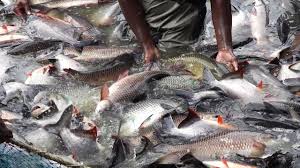
Many people wonder is fish farming profitable. It can seem tricky to know if raising fish will make you money, especially if you’re new to it. There’s a lot to think about with costs, growing fish, and selling them.
But don’t worry! We’ll break it down step-by-step so it’s easy to grasp. You’ll learn what makes it work and how to get started right.
Key Takeaways
- You will learn the different factors that determine if fish farming is profitable.
- We will explore the costs involved in starting and running a fish farm.
- Discover how to maximize your profits in fish farming.
- Understand the market for farmed fish and how to reach customers.
- Learn about common challenges and how to overcome them.
Understanding Is Fish Farming Profitable
Deciding if fish farming is a good business involves looking at many things. It’s not a simple yes or no answer. The success of a fish farm really depends on smart planning and good management.
Things like the type of fish you raise, where you farm, and how you sell them all play a big role. This section will help you see the big picture of what makes a fish farm successful. We will look at the core ideas that help you figure out if it’s a good idea for you.
What Is Fish Farming
Fish farming, also called aquaculture, is the business of raising fish in controlled environments. This can happen in many places, like ponds, tanks, or even in the ocean. Unlike catching wild fish, fish farming lets you manage the whole process.
You decide what fish eat, how they grow, and when they are ready to be sold. This control helps ensure a steady supply of fish.
The goal of fish farming is often to produce food for people to eat. However, it can also be for other purposes like raising fish for sport fishing or to help bring back fish populations that are declining in the wild. It’s a growing industry worldwide because more people want to eat seafood, and wild fish stocks can’t always keep up.
The main idea is to create an environment where fish can thrive and grow quickly. This involves keeping the water clean, providing the right food, and protecting the fish from diseases and predators. When done right, it can be a very efficient way to produce high-quality protein.
Why Is Fish Farming Profitable
The question “is fish farming profitable” often comes up because fish are in high demand. People all over the world eat fish. As wild fish populations shrink, farmed fish become a more reliable source.
This demand means there’s a market ready to buy what you produce.
Fish farming can be profitable because you can control the growing process. This means you can often produce fish faster and more consistently than relying on nature alone. You can also choose to raise fish species that grow quickly and are popular with consumers, which can lead to better sales.
Another reason it can be profitable is that you can manage costs. By carefully choosing your feed, using efficient farming methods, and reducing waste, you can lower your expenses. This means more of the money you earn from selling fish can be kept as profit.
Key Factors Affecting Profitability
Several things really matter when you’re asking “is fish farming profitable”. The kind of fish you choose to farm is super important. Some fish grow faster, need less care, or sell for higher prices.
For example, tilapia grow very quickly and are easy to farm, making them popular for beginners. On the other hand, salmon can be more profitable but are harder and more expensive to raise.
Where you set up your farm also makes a big difference. Do you have good access to clean water? Is the climate right for the fish you want to grow?
Can you easily get your fish to market? These location factors affect your costs and how much you can sell your fish for. A farm near a major city might have higher sales prices but also higher land and transportation costs.
The technology and methods you use are also key. Using modern, efficient systems can help you raise more fish with less effort and fewer resources. This can lower your overall costs and boost your profits.
It’s about working smarter, not just harder.
Costs Involved In Fish Farming
To really know “is fish farming profitable,” you have to look closely at all the costs. Starting a fish farm needs an initial investment for things like land, ponds, tanks, and equipment. Then, there are ongoing costs for feed, water, power, labor, and health care for the fish.
Managing these costs carefully is what turns a farm from a hobby into a money-making business.
Initial Setup Costs
When you first start, the setup costs can be quite high. You’ll need a place to farm, which could be land for ponds or space for tanks. If you’re digging ponds, that’s a big expense.
You might need pumps for water, nets, and other equipment to handle the fish. The cost of these things can change a lot based on the size of your farm and the type of system you choose.
For example, building a small pond system might cost a few thousand dollars. But a large-scale indoor tank system with advanced filters could cost tens or even hundreds of thousands of dollars. It’s vital to plan these costs out before you begin.
Getting good advice from experienced farmers or extension services can help you avoid overspending on unnecessary items.
Let’s say you want to start a small tilapia farm with three 1000-gallon tanks. The tanks themselves might cost around $500-$1000 each. You’ll also need filters, pumps, heaters, and aeration systems, which could add another $1000-$2000.
Then you need to buy the fish fingerlings (baby fish) and initial feed, adding a few hundred dollars more. This gives you a rough idea of the starting investment.
Operating Expenses
Once your farm is set up, you have regular costs to keep it running. The biggest of these is usually fish feed. Fish eat a lot, and good quality feed is essential for them to grow well.
Feed can make up 50% or more of the total operating costs. The price of feed can change based on market prices for its ingredients.
Water and electricity are also significant costs. You need clean water to keep the fish healthy, and pumps use electricity to move water and provide oxygen. If you’re in a warm climate, you might need heaters for the water, which also use electricity.
Labor is another cost, especially if you need people to help with feeding, harvesting, and managing the farm.
Don’t forget other things like fish health supplies, minor repairs to equipment, and marketing your fish. All these small costs add up. Keeping careful records of these expenses helps you see where your money is going and where you might be able to save.
This is crucial for answering “is fish farming profitable” for your specific operation.
Feed Costs and Management
Fish feed is a huge part of running a profitable fish farm. The kind of feed you use impacts how fast your fish grow and how healthy they stay. High-quality feed has the right balance of protein, fats, and other nutrients that fish need.
Cheaper feed might lead to slower growth, more disease, and lower survival rates, costing you more in the long run.
Managing feed correctly is also important. You need to give the fish the right amount of feed at the right times. Too much feed is wasted and pollutes the water, while too little means the fish won’t grow as well.
You also need to make sure the feed is stored properly so it doesn’t spoil.
Some farmers use different types of feed as the fish grow. For example, young fish might need a high-protein starter feed, while older fish can eat a feed with less protein. Using specialized feeds can help optimize growth and reduce costs.
Some innovative farmers are also looking into alternative feed ingredients, like insect meal or plant-based proteins, to lower costs and improve sustainability.
Maximizing Profits In Fish Farming
So, you’ve looked at the costs. Now, how do you make sure “is fish farming profitable” for your business? It’s all about smart strategies for growing and selling your fish.
This means picking the right fish, selling them for a good price, and keeping your costs as low as possible. We will cover how to get the most out of your farm.
Choosing The Right Species
The species you choose to farm is one of the biggest decisions. Some fish are known to be more profitable than others. Consider factors like growth rate, feed conversion ratio (how much feed it takes to grow one pound of fish), market demand, and disease resistance.
Tilapia, catfish, and certain types of trout are often good choices for beginners because they are hardy and have good market appeal.
Shrimp and oysters can also be profitable, though they require different farming methods and environments. For instance, oysters are filter feeders and can be farmed in coastal waters with less intensive management. Their market value can be quite high, especially for specific varieties.
Research local markets and consumer preferences. What types of fish are people in your area buying? Are there restaurants or fish markets that are looking for a reliable local supplier?
Understanding these things can help you choose a species that will sell well and bring in good profits.
Efficient Farming Practices
To make fish farming truly profitable, efficiency is key. This means using the best methods for raising your fish. Good water quality management is vital.
Regularly testing and adjusting water parameters like oxygen levels, pH, and temperature ensures fish stay healthy and grow well. Poor water quality leads to stress, disease, and slow growth, all of which hurt profits.
Using the right stocking density is also important. This is the number of fish you keep in a certain amount of water. Too many fish can lead to competition for food and oxygen, disease spread, and poor growth.
Too few fish means you might not be using your tanks or ponds to their full potential.
Automation can also play a role in efficiency. Automatic feeders can ensure fish get fed on time and the right amount, saving labor and reducing waste. Water quality monitoring systems can alert you to problems before they become severe.
These systems can seem like an added expense, but they often pay for themselves through increased yields and reduced losses.
Marketing And Sales Strategies
Even if you grow perfect fish, you need to sell them to be profitable. Having a solid marketing and sales plan is essential. Who are you going to sell to?
Restaurants, local grocery stores, farmers’ markets, or directly to consumers are common options. Each has its own pros and cons regarding price, volume, and consistency of orders.
Building relationships with buyers is crucial. Being a reliable supplier of high-quality fish builds trust. Word of mouth is powerful, so happy customers will recommend you to others.
Consider offering different product types, like whole fish, fillets, or smoked fish, to appeal to a wider range of customers.
Pricing your fish correctly is another important aspect. You need to cover your costs and make a profit, but also be competitive. Research what similar fish are selling for in your area.
Sometimes, being able to highlight the freshness and local origin of your fish can justify a slightly higher price.
Here is a comparison of sales channels:
| Sales Channel | Pros | Cons |
|---|---|---|
| Restaurants | Potentially high prices, consistent orders | Specific needs, may require delivery |
| Grocery Stores | Large volume potential, reliable | Lower margins, strict quality standards |
| Farmers Markets | Direct customer interaction, higher prices possible | Seasonal, labor-intensive |
| Direct to Consumer (CSA) | Strong customer loyalty, premium pricing | Logistics can be complex, marketing effort |
Market Demand And Trends
When asking “is fish farming profitable,” looking at the market is critical. The demand for seafood is growing worldwide. More people are choosing fish as a healthy protein source, and fish farming is stepping in to meet this need.
This trend suggests a positive outlook for fish farmers.
Global Demand For Seafood
The global appetite for seafood continues to rise. Many countries are seeing their populations grow, and with that, the demand for food, including fish, increases. As people become more aware of the health benefits of eating fish, like Omega-3 fatty acids, they are incorporating more seafood into their diets.
This rising demand provides a strong foundation for fish farming businesses.
According to the Food and Agriculture Organization of the United Nations (FAO), global demand for fish and fisheries products is projected to continue to increase. This is driven by population growth and rising incomes in many parts of the world. Aquaculture is expected to account for a larger share of this supply in the future, as wild capture fisheries are nearing their maximum sustainable limits.
This growing demand means that well-managed fish farms can find willing buyers for their products. The challenge then becomes producing enough fish efficiently and sustainably to meet this demand while remaining profitable.
Sustainability And Consumer Preference
Consumers are increasingly concerned about where their food comes from and how it is produced. This is especially true for seafood. They want to know that the fish they buy is farmed responsibly, without harming the environment or depleting wild fish stocks.
Farms that can demonstrate sustainable practices often gain a competitive edge.
Sustainability in fish farming means using resources wisely, minimizing waste, and protecting aquatic ecosystems. This can involve using feeds derived from sustainable sources, managing waste water effectively, and avoiding the use of harmful chemicals. Certifications from organizations that promote sustainable aquaculture can help assure consumers of a farm’s practices.
This trend towards sustainability is not just good for the environment; it can also be good for business. Many consumers are willing to pay a premium for seafood that is certified as sustainable. Therefore, adopting sustainable practices can lead to higher sales and better profit margins, reinforcing the answer to “is fish farming profitable” in the long term.
Market Opportunities
There are many opportunities within the fish farming market. Beyond just selling fresh whole fish, farmers can explore value-added products. This could include selling fish fillets, smoked fish, fish burgers, or even pre-marinated fish portions.
These products can often command higher prices than raw fish and appeal to consumers looking for convenience.
Another opportunity lies in niche markets. For example, farming specialty fish species that are highly sought after by specific ethnic groups or gourmet chefs can be very profitable. Similarly, focusing on organic or naturally grown fish can attract a dedicated customer base willing to pay more.
Geographic location also presents opportunities. Farmers located near urban centers or tourist areas may have direct access to lucrative markets through farmers’ markets or direct sales to restaurants. Those in more remote areas might need to focus on building strong distribution networks to reach larger markets.
Common Myths Debunked
Myth 1: Fish Farming Is Always Environmentally Harmful
This is a common worry, but it’s not always true. While poorly managed fish farms can cause pollution and damage local ecosystems, modern and well-run aquaculture operations are designed to minimize their environmental impact. Many farms use closed-loop systems that recycle water, reducing water usage and pollution.
They also use responsible feed sources and manage waste effectively. In fact, sustainable aquaculture can even help reduce pressure on wild fish populations.
Myth 2: You Need Vast Amounts Of Land And Water
While some large-scale fish farms do require significant space, it’s not a universal requirement. Many types of fish farming can be done in relatively small areas. For example, tank-based systems can be set up indoors or in smaller outdoor spaces.
Vertical farming techniques are also emerging, allowing for high production in a minimal footprint. This makes fish farming accessible to a wider range of people and locations.
Myth 3: Fish Farming Is Only For Big Corporations
This is far from the truth. While large companies do operate fish farms, there is a significant and growing sector of small and medium-sized enterprises (SMEs) and even individual entrepreneurs involved in fish farming. Many successful family-run fish farms exist.
The key is starting small, learning the ropes, and scaling up gradually as your business grows and your profits allow. The question “is fish farming profitable” often applies well to these smaller operations.
Myth 4: It’s Easy To Get Rich Quick With Fish Farming
Like any business, fish farming requires hard work, dedication, and careful planning. It’s not a get-rich-quick scheme. There are upfront costs, ongoing expenses, and risks involved, such as disease outbreaks or market fluctuations.
Profitability comes from consistent effort, good management, and a long-term vision, not from overnight success.
Frequently Asked Questions
Question: How long does it take for fish to grow to market size
Answer: The time it takes for fish to reach market size varies greatly depending on the species. Some fish, like tilapia, can grow to market size in as little as 4-6 months, while others, like salmon, may take 1-3 years. Factors such as water temperature, feed quality, and stocking density also play a significant role.
Question: What are the biggest risks in fish farming
Answer: The biggest risks include disease outbreaks among fish, equipment failure (like pumps or aerators), market price fluctuations, and environmental factors such as extreme weather or water pollution. Proper management, biosecurity measures, and diversification can help mitigate these risks.
Question: Can I start fish farming in my backyard
Answer: It’s possible to start a small-scale backyard fish farm, especially for personal consumption or for a very small local market. You would need to research local regulations, ensure you have access to clean water, and choose a species suitable for a small system, such as tilapia or goldfish. However, scaling up for commercial profit would likely require more space and investment.
Question: Is fish feed expensive
Answer: Fish feed is often one of the largest operating expenses in fish farming, so it can be considered expensive. The cost depends on the type of feed, its ingredients, and market prices. However, using high-quality feed efficiently and managing feeding practices properly can help control these costs and ensure good growth rates.
Question: What is the most profitable fish to farm
Answer: The most profitable fish to farm can depend on many factors, including your location, local market demand, and farming system. Species like salmon, sea bass, and shrimp are often highly profitable due to their market value, but they can also be more challenging and expensive to raise. Tilapia and catfish are often profitable for beginners due to their faster growth and hardiness.
Conclusion
So, is fish farming profitable? Yes, it can be, but it requires careful planning and hard work. Understanding your costs, choosing the right fish, using efficient methods, and selling smart are all key.
With the right approach, you can build a successful and rewarding fish farm. Focus on these steps to make your fish farming venture a success.