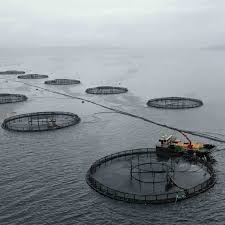
Thinking about why fish farms are bad can feel a bit confusing at first. There’s a lot of information out there, and it can be hard to know where to start. Don’t worry, though!
We’ll break it all down in easy steps. You’ll learn all about the problems with fish farms without any confusing jargon. Let’s get started and uncover the facts.
Key Takeaways
- Fish farms can harm the environment by polluting water and spreading diseases.
- Wild fish populations can suffer because of fish farm practices.
- The food we eat from fish farms may not always be the healthiest option.
- There are better ways to get seafood that don’t harm the planet or other animals.
- Learning about these issues helps us make smarter choices.
Environmental Impacts Of Fish Farms
Fish farms, also known as aquaculture, are farms where fish are raised in controlled environments. While they aim to provide seafood, their practices can lead to significant environmental problems. These issues often affect the surrounding waters and the ecosystems within them.
Understanding these impacts is key to seeing why fish farms are bad for nature.
Water Pollution From Fish Farms
One of the biggest problems with fish farms is water pollution. Fish in farms produce a lot of waste, like feces and uneaten food. This waste sinks to the bottom of the water body where the farm is located.
It can then smother the seabed and kill plants and animals living there. This process is called eutrophication. It happens when too many nutrients, like nitrogen and phosphorus from the waste, get into the water.
This can cause algal blooms. These blooms can then use up all the oxygen in the water. Fish and other marine life then can’t breathe and die.
Think about a crowded fish tank. If you don’t clean it, it gets dirty fast and the water gets bad. Fish farms are like super crowded tanks, but out in the ocean or lakes.
The waste from thousands of fish builds up. This pollution doesn’t just stay at the farm. It spreads out with the currents.
It can affect coral reefs, seagrass beds, and other important habitats. These areas are homes for many types of sea life. When they get polluted, these animals lose their homes and food sources.
This can disrupt the whole food web.
Nutrient Overload
Nutrients are things that plants and animals need to grow. Nitrogen and phosphorus are important nutrients for sea life. But when there are too many of them, it’s bad.
Fish farms release large amounts of these nutrients. This comes from fish waste and from the fish food that doesn’t get eaten. When these nutrients are dumped into the ocean, they act like fertilizer for tiny plants called algae.
This causes a massive growth of algae, known as an algal bloom. Some of these blooms can produce toxins that are harmful to fish and even humans. Other blooms simply use up all the oxygen in the water when they die and decompose.
This creates “dead zones” where most marine life cannot survive.
The U.S. Environmental Protection Agency (EPA) has data showing that excess nutrients are a major cause of water quality issues in the United States. For example, they report that nutrient pollution contributes to the degradation of over 100,000 miles of rivers and streams.
Fish farms can be a significant source of this nutrient pollution in coastal areas and large lakes.
Disease and Parasite Spread
Farmed fish are often kept very close together. This makes them more likely to get sick. Diseases and parasites can spread quickly through crowded pens.
These problems can then spread to wild fish that swim near the farms. For example, sea lice are tiny parasites that can attach to fish. In large numbers, they can seriously harm or kill young wild salmon.
This is a major concern for wild salmon populations that are already struggling.
A study published in the journal “Nature” found that salmon farms were associated with a significant increase in sea lice on wild fish. The researchers tracked wild salmon populations near and far from aquaculture sites. They observed that wild fish exposed to the farms had much higher levels of sea lice.
This highlights how farmed fish can act as a source of infection for their wild cousins. It’s like having a sick person in a crowded room; the sickness can easily spread to everyone else.
Habitat Destruction
Setting up fish farms can also lead to habitat destruction. For example, some fish farms are built in coastal areas that used to be mangrove forests or seagrass beds. These natural habitats are very important.
Mangroves protect shorelines from erosion and provide nurseries for many young fish and shellfish. Seagrass beds are also vital habitats and nurseries. When these areas are cleared to make space for fish farms, the local ecosystem is damaged.
This loss of habitat affects biodiversity and the overall health of the ocean.
For instance, the conversion of coastal wetlands for aquaculture has been a significant issue in many parts of the world. These wetlands serve as crucial ecosystems. They filter water, protect against storms, and support a wide range of species.
Replacing them with fish pens removes these benefits and disrupts natural processes. This can lead to long-term ecological damage that is hard to reverse.
Impacts On Wild Fish Populations
Fish farms don’t just affect the immediate environment; they also have serious consequences for wild fish populations. This is a critical aspect of understanding why fish farms are bad. The problems range from competition for food to the escape of farmed fish.
Escaped Farmed Fish
Fish farms can have a problem with fish escaping their pens. These escaped fish are often non-native species or genetically different from wild fish. When they get into the wild, they can cause several problems.
They might compete with wild fish for food and space. They can also introduce diseases or parasites to wild populations, as mentioned before. In some cases, escaped farmed fish can interbreed with wild fish.
This can weaken the genetic makeup of wild fish populations over time. They might become less adapted to their environment. This can make them more vulnerable to predators or diseases.
A classic example is the escape of Atlantic salmon from farms in the Pacific Northwest. These farmed salmon are genetically distinct from the native Pacific salmon. Their presence can disrupt the delicate balance of the local ecosystem.
Studies have shown that escaped farmed salmon can outcompete native species for resources. They can also alter the genetic diversity of wild populations if they successfully breed.
Competition For Food
The sheer number of fish in farms means they require a lot of food. Much of this food is made from wild-caught fish, such as anchovies and sardines. This practice is called “fish-to-feed.” It means that for every pound of farmed fish we eat, many pounds of wild fish might be caught and processed.
This can put a huge strain on wild fish populations. It can reduce the food available for other marine animals that depend on these small fish. This includes seabirds, dolphins, and larger wild fish.
This creates a ripple effect through the entire marine food web. It’s a cycle that ultimately harms the oceans.
According to the Food and Agriculture Organization of the United Nations (FAO), aquaculture globally uses millions of tons of fishmeal and fish oil derived from wild-caught fish annually. This reliance on wild fisheries for feed is a major sustainability concern. It means that the expansion of fish farming directly impacts wild fish stocks.
Predator Entanglement And Harm
Fish farms can also harm wild animals that are predators of fish. Seals, dolphins, and seabirds are often attracted to fish farms because of the abundant food source. To protect their stock, farm operators sometimes use nets, acoustic deterrents, or even lethal methods to keep these predators away.
This can lead to these animals getting entangled in nets. They can be injured or even drown. This practice can significantly impact the populations of these wild species.
It disrupts the natural balance of marine ecosystems.
There have been numerous reports of marine mammals and seabirds being found dead or injured due to entanglement in aquaculture gear. For example, in some areas, seals have been observed trying to get fish from pens and becoming trapped in the netting. This poses a serious threat to their survival.
Conservationists argue that these methods are cruel and unsustainable. They advocate for more humane and effective predator deterrents that do not harm wildlife.
Health And Safety Concerns
Beyond environmental and ecological impacts, there are also concerns about the health and safety of the fish produced by farms, and the food we get from them. This is another important reason why fish farms are bad for us directly.
Antibiotic Use
To prevent and treat diseases in crowded farm conditions, antibiotics are often used. This can lead to the development of antibiotic-resistant bacteria. These superbugs can then spread to humans through contaminated seafood or the environment.
The overuse of antibiotics in aquaculture is a growing public health concern. It contributes to the global problem of antimicrobial resistance. This makes it harder to treat infections in people.
The World Health Organization (WHO) has raised alarms about the increase in antibiotic resistance. They point to agricultural practices, including aquaculture, as contributing factors. When fish are treated with antibiotics, residues can remain in the fish tissue.
They can also be released into the surrounding water. This can impact the microbial communities in the environment and potentially lead to resistant strains. This is a serious risk to human health.
Contaminants In Farmed Fish
Farmed fish can also accumulate contaminants from their feed and the surrounding water. These contaminants can include pollutants like heavy metals (such as mercury and lead) and chemicals like PCBs. The levels of these contaminants can vary depending on the farming practices and the location of the farm.
Some studies have shown that certain farmed fish may contain higher levels of contaminants than their wild counterparts. Eating too much of these contaminated fish can pose health risks to humans, especially pregnant women and young children. These chemicals can build up in the body over time.
They can affect brain development and other bodily functions.
Research published in scientific journals has compared contaminant levels in farmed and wild fish. For example, a review of studies found that farmed salmon, on average, tended to have higher levels of PCBs and dioxins than wild salmon. This is often due to the ingredients used in their feed, which can include processed fish products that have accumulated these contaminants.
While levels are often below regulatory limits, regular consumption of contaminated fish can be a concern.
Nutritional Differences
The diet of farmed fish is different from that of wild fish. Wild fish get their nutrients from a varied natural diet. Farmed fish are fed specific feed pellets.
This can affect the nutritional profile of the fish. For example, the levels of omega-3 fatty acids, which are considered healthy fats, can be lower in some farmed fish compared to wild fish. This is because the feed may not perfectly replicate the natural diet that provides these beneficial fats.
Omega-3 fatty acids are known for their heart health benefits and role in brain function. While farmed fish can still be a good source, their omega-3 content might not be as high as in wild-caught varieties. This nutritional difference is an important factor to consider when choosing seafood.
It adds another layer to the discussion about why fish farms are bad for producing optimal nutrition.
Alternatives To Fish Farms
Given the problems associated with fish farms, many people are looking for better ways to get seafood. Fortunately, there are alternatives that are more sustainable and have fewer negative impacts. This is an area where positive change can happen.
Sustainable Wild-Caught Seafood
Choosing seafood that is caught using sustainable methods is a great alternative. Sustainable fishing practices aim to catch fish without overfishing or damaging marine habitats. This includes using fishing gear that minimizes bycatch (catching non-target species) and avoids destructive methods like bottom trawling.
Many organizations and guides rate seafood based on its sustainability. Looking for labels from these organizations can help you make informed choices. Supporting fisheries that use responsible practices ensures that wild fish populations can continue to thrive.
For example, the Marine Stewardship Council (MSC) is a global organization that sets standards for sustainable fishing. Seafood products with the MSC blue label have been independently certified as sustainable. This means the fish were caught by fisheries that manage their stocks carefully and minimize their environmental impact.
Choosing MSC-certified seafood supports healthy oceans and fisheries for the future.
Aquaponics
Aquaponics is a farming system that combines aquaculture (raising fish) with hydroponics (growing plants in water). In an aquaponics system, fish waste provides nutrients for plants. The plants, in turn, filter the water for the fish.
This creates a symbiotic relationship where both fish and plants benefit. Aquaponics can be done on a small scale, even at home, or on a larger commercial scale. It uses less water than traditional aquaculture and doesn’t produce as much waste.
It also doesn’t require soil. This makes it a more eco-friendly way to produce both fish and vegetables.
A typical aquaponics setup involves a fish tank connected to a grow bed. Fish waste in the tank is converted by beneficial bacteria into nitrates. These nitrates are then absorbed by the plants as food.
The plants clean the water, which is then returned to the fish tank. This closed-loop system minimizes waste and pollution. It uses significantly less water than soil-based agriculture.
It also avoids the need for synthetic fertilizers and pesticides. This makes it a very sustainable form of food production.
Consumer Choices
As consumers, our choices have power. By understanding why fish farms are bad and choosing sustainable options, we can drive change in the industry. We can choose to buy seafood that is certified as sustainable.
We can also ask questions about where our seafood comes from and how it was produced. Educating ourselves and others is a vital step. It helps create demand for more responsible seafood production methods.
Supporting organizations that work to protect marine environments is also important. Together, we can make a difference for our oceans and for our health.
Common Myths Debunked
Myth 1: Fish farms are a solution to overfishing.
Reality: While fish farms aim to reduce pressure on wild stocks, they often create their own set of problems. As discussed, they can lead to water pollution, disease spread, and reliance on wild-caught fish for feed. In some cases, escaped farmed fish can even negatively impact wild populations.
So, they are not a simple fix for overfishing and can introduce new ecological challenges.
Myth 2: Farmed fish are always cheaper and more readily available than wild fish.
Reality: While some farmed fish might be cheaper, this often doesn’t reflect the true environmental and social costs. The long-term costs of pollution and ecological damage can be very high. Furthermore, the reliance on wild fish for feed means that the availability of farmed fish is still tied to wild fish populations.
Sustainable wild-caught options are often available and can be competitively priced when considering their quality and ecological impact.
Myth 3: All farmed fish are raised in healthy environments.
Reality: The reality varies greatly depending on the farm and its management practices. Many fish farms operate with high stocking densities and can face significant environmental challenges. Issues like pollution, disease outbreaks, and the use of chemicals are common in intensive aquaculture.
While some farms strive for better practices, it’s not a universal standard, and many farms contribute to the problems we’ve discussed.
Myth 4: Farmed fish are nutritionally identical to wild fish.
Reality: The nutritional content of farmed fish can differ from wild fish due to their diet. Farmed fish are fed a controlled diet, which can sometimes result in lower levels of beneficial omega-3 fatty acids compared to wild fish that forage naturally. The type and quality of feed used significantly influence the nutritional profile of the farmed fish.
Frequently Asked Questions
Question: What is the main reason why fish farms are bad?
Answer: The main reasons why fish farms are bad include significant environmental pollution from fish waste, the spread of diseases and parasites to wild fish, and the use of wild-caught fish to feed farmed fish, which depletes wild fish stocks.
Question: Do fish farms harm wild fish populations?
Answer: Yes, fish farms can harm wild fish populations by spreading diseases and parasites, and through competition from escaped farmed fish, which can also interbreed with wild fish and weaken their genetic makeup.
Question: Are farmed fish safe to eat?
Answer: Farmed fish can be safe to eat, but there are concerns about potential contaminants like heavy metals and chemicals, as well as the overuse of antibiotics which can contribute to antibiotic resistance.
Question: What are some good alternatives to eating farmed fish?
Answer: Good alternatives include choosing seafood that is certified as sustainable by organizations like the Marine Stewardship Council (MSC) and exploring systems like aquaponics, which is a more eco-friendly way to produce fish.
Question: Does eating farmed fish contribute to the decline of wild fish populations?
Answer: Yes, many fish farms rely on fishmeal and fish oil derived from wild-caught fish for feed. This practice, known as fish-to-feed, directly impacts wild fish populations and can lead to their decline.
Final Thoughts
Understanding why fish farms are bad shows us their real costs. Pollution harms oceans and habitats. Escaped fish and feed needs hurt wild populations.
Health concerns exist too. Choosing sustainable seafood offers a better path. Your choices matter for healthier oceans and a healthier you.