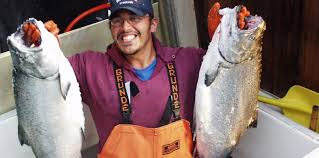
Many people wonder if is fish farming illegal in alaska. It can feel a bit confusing when you first look into it. There are specific rules and regulations that apply.
But don’t worry, it’s not as complicated as it seems! This guide will break it down easily for you. We’ll make sure you understand exactly what you need to know.
Let’s get started on clarifying everything.
Key Takeaways
- Alaska has specific laws about fish farming.
- Not all types of fish farming are permitted.
- There are strict environmental guidelines to follow.
- Commercial fish farming faces many limitations.
- Understanding state and federal regulations is vital.
- The focus is often on wild fisheries conservation.
Understanding Alaska’s Fish Farming Laws
Alaska’s approach to aquaculture, or fish farming, is quite unique. The state government has put in place a framework to manage this activity. This framework is designed to protect Alaska’s vast natural resources, especially its wild salmon populations.
When people ask is fish farming illegal in alaska, they are often touching on the state’s cautious stance towards certain types of aquaculture. The laws aim to prevent negative impacts on existing ecosystems and the traditional fishing industries. This means that the permission to farm fish is not a simple yes or no.
It depends heavily on the species, the location, and the methods used.
The state has specific agencies that oversee aquaculture. These include the Alaska Department of Fish and Game and other environmental bodies. Their job is to review proposals, issue permits when appropriate, and enforce the rules.
This careful oversight is a major reason why not every type of fish farming is allowed. The primary concern is always the health of Alaska’s wild fish stocks. This concern is deeply rooted in the state’s culture and economy, which rely heavily on sustainable wild fisheries.
The Legal Status of Commercial Fish Farming
Commercial fish farming in Alaska is subject to very stringent regulations. It is not outright illegal, but it is severely restricted. The state has generally favored policies that support its existing wild fisheries.
This means that large-scale commercial operations, especially those involving finfish like salmon, face significant hurdles. The permitting process is rigorous. It requires detailed environmental impact studies and proof that the proposed farm will not harm wild fish or their habitats.
This is why Alaska has far fewer commercial fish farms compared to other states or countries.
The focus has historically been on shellfish aquaculture and certain types of aquatic plants. Finfish aquaculture, particularly for species like salmon, has been largely prohibited for commercial purposes. This is due to concerns about potential disease transmission to wild populations, the risk of farmed fish escaping and interbreeding with wild fish, and the impact on marine environments.
The state’s legislative history reflects a deliberate choice to protect its world-renowned wild salmon runs.
Aquaculture vs. Wild Fisheries Protection
Alaska’s stance on aquaculture is heavily influenced by its commitment to protecting its valuable wild fisheries. The state boasts some of the most productive and iconic wild salmon fisheries in the world. These fisheries are not only a vital economic resource but also a significant part of Alaska’s cultural identity.
Therefore, any activity that could potentially threaten these wild populations is approached with extreme caution.
The potential risks associated with fish farming include the introduction of diseases and parasites from farmed fish to wild stocks. There’s also the risk of farmed fish escaping their enclosures and competing with wild fish for food or habitat. Furthermore, escaped farmed fish could potentially interbreed with wild populations, which some scientists believe could weaken the genetic integrity of wild fish over time.
These concerns drive the stringent regulations and limitations placed on aquaculture in Alaska.
Types of Aquaculture Allowed in Alaska
While large-scale commercial finfish farming is heavily restricted, other forms of aquaculture are permitted and even encouraged in Alaska. These generally include operations that are seen as having a lower risk to wild fish populations. Understanding these distinctions is key to answering the question of is fish farming illegal in alaska.
The state’s aquaculture industry is not nonexistent; it’s simply focused on specific areas.
Shellfish farming, for example, is a significant part of Alaska’s aquaculture sector. This includes farming oysters, mussels, and clams. These operations are typically conducted in areas that do not interfere with salmon migration routes or critical salmon habitats.
The state has established a process for developing shellfish farms, which involves site selection, environmental review, and permitting.
Shellfish Aquaculture
Shellfish farming in Alaska has seen growth and is considered a viable industry. This type of aquaculture involves cultivating bivalve mollusks like oysters, mussels, and clams. These species are filter feeders, meaning they strain food particles from the water.
This process can actually have some beneficial effects on water quality. Shellfish farming also requires careful site selection to ensure that it does not impact other marine life or habitats.
The state has specific guidelines for shellfish aquaculture operations. These include requirements for water quality monitoring, disease management, and harvest practices. The permitting process ensures that new farms are located in suitable areas and that they adhere to environmental standards.
For instance, farms are often located in bays or near shorelines where they can be managed effectively and have minimal impact on larger marine ecosystems. This focus on lower-impact species like shellfish is a significant reason why the answer to is fish farming illegal in alaska is nuanced.
Benefits of Shellfish Farming
Shellfish farming offers several advantages. It provides a source of sustainable seafood, creating jobs and economic opportunities in coastal communities. Unlike finfish farms, shellfish farms do not typically require the large amounts of feed or water exchange that can be concerns with other types of aquaculture.
The farming process itself can also contribute to the health of marine environments. By filtering water, shellfish can help remove excess nutrients and improve clarity.
Additionally, shellfish farming generally poses a lower risk of disease transmission to wild populations compared to finfish farming. This is because shellfish species have different disease profiles and life cycles. The environmental footprint is often considered more manageable.
This makes shellfish farming a more readily accepted form of aquaculture within Alaska’s regulatory framework.
Aquatic Plant and Algae Cultivation
Another area of permitted aquaculture in Alaska involves aquatic plants and algae. This can include kelp farming and other types of marine vegetation. These operations are also generally viewed as having a low environmental impact.
They can even offer ecological benefits, such as absorbing excess nutrients from the water and providing habitat for marine life. The cultivation of these resources is supported by the state as a way to diversify Alaska’s aquaculture industry.
The cultivation of kelp, for example, has gained interest for its potential as a food source, for biofuels, and for other industrial applications. These farms are typically established in marine waters, similar to shellfish farms. They require permits and must adhere to environmental regulations.
The success of these ventures further illustrates that while certain fish farming is restricted, aquaculture in a broader sense has a place in Alaska’s economy.
Regulations and Permitting
The question is fish farming illegal in alaska can be confusing because the reality is that it is heavily regulated and restricted, rather than entirely prohibited for all types of operations. Navigating the regulatory landscape is a crucial step for anyone considering aquaculture in the state. Alaska has a multi-agency approach to permitting and oversight, which ensures that potential impacts are carefully considered before any project can proceed.
This involves a comprehensive review process that examines the proposed farm’s location, the species to be cultivated, the farming methods, and potential environmental and economic effects. The state aims to balance the development of aquaculture with the paramount need to protect its invaluable wild fisheries and marine ecosystems.
State Agencies Involved
Several state agencies play a role in regulating aquaculture in Alaska. The primary agency responsible for issuing aquaculture permits is the Alaska Department of Fish and Game (ADF&G). ADF&G manages the state’s fish and wildlife resources and ensures that aquaculture activities align with conservation goals.
They evaluate applications based on scientific data and potential ecological impacts.
Other agencies also contribute to the regulatory process. The Alaska Department of Environmental Conservation (ADEC) reviews water quality and waste discharge permits. The Alaska Department of Natural Resources (DNR) may be involved if the proposed farm site is on state-owned land or in state waters.
This coordinated effort ensures that all relevant environmental, resource, and land-use considerations are addressed.
The Permitting Process Explained
The permitting process for aquaculture in Alaska is detailed and requires significant documentation. An applicant must first identify a suitable site and the species they wish to cultivate. They then submit a formal application to the ADF&G.
This application typically includes a project proposal, an environmental assessment, operational plans, and information on the applicant’s qualifications.
After submission, the application undergoes a review by ADF&G and other relevant state agencies. Public notice and comment periods are often part of this process, allowing stakeholders to voice concerns or provide input. If the project meets all the requirements and passes the environmental review, ADF&G may issue a permit.
This permit will outline specific terms and conditions for the operation, including monitoring and reporting requirements.
Federal Regulations
In addition to state regulations, federal laws also apply to aquaculture operations in Alaska. These federal regulations often address issues related to marine mammals, endangered species, and water pollution. Agencies like the National Oceanic and Atmospheric Administration (NOAA) Fisheries and the U.S.
Environmental Protection Agency (EPA) may have oversight depending on the nature and location of the proposed farm.
For instance, any project that might affect endangered or threatened marine species or their habitats will likely require review under the Endangered Species Act. Similarly, facilities that discharge into navigable waters may need permits under the Clean Water Act, administered by the EPA or delegated to state agencies. Understanding and complying with both state and federal laws is essential for any aquaculture venture in Alaska.
Environmental Concerns and Conservation
Environmental concerns are at the forefront of Alaska’s approach to aquaculture. The state’s commitment to preserving its pristine marine environments and robust wild fisheries means that any aquaculture proposal is scrutinized for its potential impact. This is a core reason why the question of is fish farming illegal in alaska is framed by such careful consideration of ecological factors.
The primary goal is to ensure that aquaculture activities do not harm the delicate balance of the Alaskan ecosystem. This includes protecting biodiversity, maintaining water quality, and safeguarding the health of wild fish populations, especially salmon. Conservation efforts are not just a regulatory requirement; they are a fundamental part of Alaska’s identity and economy.
Disease and Parasite Transmission
One of the most significant environmental concerns in fish farming is the potential for diseases and parasites to spread from farmed fish to wild populations. These pathogens can originate in hatcheries or grow in the concentrated populations of farmed fish. If these diseases spread to wild fish, they can cause significant mortality and negatively impact wild stocks.
To mitigate this risk, Alaska enforces strict biosecurity measures for any permitted aquaculture operations. This includes regular health monitoring of farmed stocks, containment protocols to prevent disease outbreaks, and careful management practices. The potential for disease transmission is a major factor in the state’s cautious approach to finfish farming.
For permitted shellfish and plant farms, the risks are generally considered much lower.
Impacts on Wild Fish Populations
The potential impact of aquaculture on wild fish populations is a critical area of focus. This includes the risk of genetic interaction if farmed fish escape and breed with wild fish. It also includes competition for food and habitat resources.
Escaped farmed fish, especially salmon, might be less adapted to the wild environment, but their presence could still disrupt natural processes. The state’s regulations aim to minimize these interactions and protect the genetic integrity and viability of Alaska’s wild fish.
Scientists study the potential for escaped farmed fish to affect wild salmon runs. Concerns include the possibility of farmed salmon carrying diseases or parasites that could be transmitted. Another concern is that escaped farmed fish could outcompete wild fish for food or spawning grounds.
These considerations are central to the state’s decisions regarding which aquaculture activities are permitted and under what conditions.
Common Myths Debunked
Myth 1: All Fish Farming Is Banned in Alaska
This is a common misconception. While large-scale commercial finfish farming, particularly for salmon, is severely restricted or prohibited, other forms of aquaculture are allowed and regulated. Shellfish farming and aquatic plant cultivation are permitted activities, provided they meet strict environmental and operational standards.
The focus is on managing risks and supporting sustainable practices that align with Alaska’s conservation goals.
Myth 2: Fish Farms Always Harm the Environment
While potential environmental impacts are a serious concern and are thoroughly reviewed, not all fish farming inherently harms the environment. Properly managed operations, especially those focusing on shellfish or aquatic plants, can have minimal negative impacts and can even provide ecological benefits, such as improving water quality. The strict regulatory framework in Alaska is designed to prevent harmful practices and ensure that any permitted aquaculture contributes positively or neutrally to the environment.
Myth 3: Alaska’s Fishing Industry Is Against All Aquaculture
While some segments of the traditional fishing industry may express concerns about potential competition or risks to wild fisheries, the industry’s stance is not monolithic. Many in the fishing community recognize the potential benefits of well-managed, low-impact aquaculture, particularly shellfish farming, as a way to diversify local economies and provide sustainable seafood options. The focus is generally on ensuring that aquaculture does not undermine the health and productivity of wild fisheries.
Frequently Asked Questions
Question: Is it legal to raise salmon in fish farms in Alaska
Answer: Commercial finfish farming for species like salmon is largely prohibited in Alaska due to concerns about wild salmon populations and ecosystems. While research or limited, contained operations might be considered under very specific circumstances, widespread commercial salmon farming is not permitted.
Question: Can I start a small oyster farm in Alaska
Answer: Yes, shellfish farming, including oyster farming, is a permitted aquaculture activity in Alaska. You will need to go through the state’s permitting process, which involves site selection, environmental review, and adherence to operational regulations.
Question: What are the main reasons Alaska restricts fish farming
Answer: The primary reasons are to protect the state’s valuable wild fisheries, prevent the spread of diseases and parasites to wild stocks, avoid genetic interactions between farmed and wild fish, and preserve the marine environment.
Question: Are there any exceptions to the finfish farming restrictions
Answer: The state’s focus is on conservation. While not entirely impossible, exceptions for finfish farming would require extremely rigorous review and would likely be for very specific, low-impact, or research-oriented purposes, with a strong emphasis on containment and minimal ecological risk.
Question: Which government department handles fish farm permits in Alaska
Answer: The Alaska Department of Fish and Game (ADF&G) is the primary agency responsible for issuing aquaculture permits. However, other state agencies like the Department of Environmental Conservation and the Department of Natural Resources may also be involved depending on the specifics of the operation.
Final Thoughts
So, to answer if is fish farming illegal in alaska, it’s important to know it’s not a simple ban. While commercial finfish farming faces strict limitations to protect wild stocks, other forms like shellfish and aquatic plant farming are permitted and regulated. Alaska’s approach prioritizes conservation and sustainability, ensuring that any aquaculture activity is carefully reviewed and managed to safeguard its precious natural resources.