Thinking about farming fish? You might wonder how fish farming is done. It can seem like a big task at first, but it’s simpler than you think.
Many people find it a bit tricky to get started. This guide breaks it all down. We will show you the easy steps to get your fish farm going.
Get ready to learn the basics and beyond.
Key Takeaways
- Fish farming involves raising fish in controlled environments.
- Different systems exist for fish farming, each with unique needs.
- Water quality is the most important factor for fish health.
- Feeding fish properly is key to their growth and survival.
- Harvesting and selling farmed fish requires careful planning.
- Sustainable practices are vital for the future of fish farming.
Understanding Fish Farming Methods
Fish farming, also called aquaculture, is the practice of raising fish in controlled environments. This is done for food, sport, or to repopulate natural stocks. It’s a growing industry because it can help meet the demand for seafood.
It also can reduce pressure on wild fish populations. Knowing how fish farming is done opens up many possibilities. You can choose from different setups depending on your goals and resources.
Different Types of Fish Farms
There are several main ways fish farming is done. These methods vary greatly in how they manage water and fish. Each has its own pros and cons.
Choosing the right one depends on your location, budget, and the type of fish you want to raise.
- Pond farming is one of the oldest methods. Farmers dig out or use natural depressions to create ponds. These ponds are filled with water and stocked with fish. Water can be exchanged or aerated to maintain quality. This method is common for freshwater fish like tilapia and catfish. It’s relatively simple to set up but requires land.
- Tank or Recirculating Aquaculture Systems (RAS) are more advanced. Fish are raised in tanks, and the water is treated and reused. This system uses less water and land. It also allows for better control over the environment. RAS farms can be built almost anywhere, even indoors. They are good for producing high-quality fish but can be expensive to build and run.
- Cage and pen culture involves raising fish in natural bodies of water like lakes, rivers, or the ocean. Cages or pens are submerged, and fish are fed inside them. This method uses the natural water supply. It’s cost-effective but can sometimes impact the environment. It also requires careful site selection to avoid pollution.
- Raceways are long, narrow channels where water flows continuously. Fish are kept in these channels, and fresh water enters at one end and exits at the other. This method provides good water quality through constant flow. It’s efficient for certain types of fish that prefer moving water.
Choosing Your Fish Species
The type of fish you choose to farm is very important. Different fish have different needs for water temperature, food, and space. Some fish are easier to farm than others.
Tilapia, catfish, salmon, and trout are popular choices for fish farming. Researching the specific needs of your chosen species is a key step in knowing how fish farming is done effectively.
For example, tilapia are hardy and grow quickly in warm water. This makes them a good choice for beginners in warmer climates. Salmon, on the other hand, require cooler, cleaner water.
They are often farmed in coastal pens. Catfish are also robust and can tolerate a range of water conditions.
Essential Elements of Fish Farming Operations
Once you have an idea of the system and species, you need to focus on the daily operations. This is where the practical side of how fish farming is done really comes into play. Water quality, feeding, and health management are critical.
Getting these right ensures your fish grow well and stay healthy.
Maintaining Water Quality
Water is the lifeblood of any fish farm. Poor water quality is a leading cause of fish disease and death. You must monitor several parameters regularly.
These include dissolved oxygen, pH, temperature, ammonia, and nitrite levels.
- Dissolved Oxygen: Fish need oxygen to breathe, just like us. Low dissolved oxygen levels can suffocate fish. Aeration systems, like blowers or paddlewheels, are often used to add oxygen to the water. For example, in a pond farm, keeping the water moving helps increase oxygen. In RAS, specialized equipment ensures high oxygen levels.
- pH Level: This measures how acidic or alkaline the water is. Most fish thrive in a pH range of 6.5 to 8.5. If the pH is too high or too low, it can stress fish and affect their growth. Adjustments can be made using natural materials like lime or by controlling the water source.
- Temperature: Each fish species has an ideal temperature range. Too hot or too cold water can slow growth or cause stress. In some systems, heaters or chillers are used. In pond farming, site selection is key to utilize natural temperature patterns.
- Ammonia and Nitrite: These are waste products from fish. High levels are toxic. In RAS, biofilters convert ammonia into less harmful nitrates. In ponds, regular water changes and good stocking densities help manage these.
Feeding Your Fish
Proper feeding is crucial for the growth and health of farmed fish. The type of feed depends on the species and its life stage. Fish food is typically pellets that float or sink.
You need to feed them the right amount at the right time.
- Feed Type: Young fish (fry) eat smaller, specially formulated feeds. As they grow, they transition to larger pellets. The feed should contain the right balance of proteins, fats, vitamins, and minerals. For example, carnivorous fish need higher protein feeds than herbivorous fish.
- Feeding Frequency: Young fish may need to be fed multiple times a day. Older, larger fish can be fed once or twice a day. Overfeeding can lead to wasted food and poor water quality, as uneaten food decomposes. Underfeeding can stunt growth.
- Monitoring Feed Intake: Farmers observe how much fish eat. If they are not eating, it could be a sign of a problem like poor water quality or disease. This observation is a vital part of knowing how fish farming is done efficiently.
Health and Disease Management
Keeping fish healthy is a top priority. Diseases can spread quickly in crowded farm conditions. Prevention is better than cure.
This involves good biosecurity measures and a healthy environment.
Biosecurity means taking steps to prevent diseases from entering the farm. This can include disinfecting equipment and limiting visitor access. If a disease does occur, prompt identification and treatment are necessary.
This might involve medication or quarantine.
A study by the Food and Agriculture Organization of the United Nations (FAO) highlighted that disease outbreaks are a major challenge in aquaculture, causing significant economic losses. Effective management practices, including improved water quality and nutrition, can reduce the incidence of disease.
Harvesting and Beyond
Harvesting is the culmination of your fish farming efforts. The timing and method of harvest depend on the species and market demand. After harvest, fish are processed and sold.
Sustainable practices are important for long-term success.
The Harvesting Process
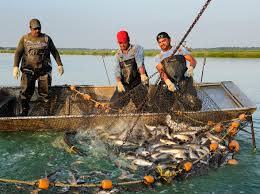
Harvesting can be done by draining ponds, netting fish from tanks or cages, or other specialized methods. It’s important to handle fish gently to minimize stress and injury. This ensures the quality of the final product.
- Timing: Fish are harvested when they reach market size. This size varies depending on the species and what consumers want. For example, tilapia might be harvested when they weigh about one pound.
- Methods: In pond farming, farmers might drain the pond and seine net the fish. In tank systems, fish can be guided into collection areas. Cage culture often involves lifting the cages or using special nets.
- Handling: Stress during harvest can affect meat quality. Fish are often cooled quickly after harvest to preserve freshness. This is a crucial step in how fish farming is done from start to finish.
Processing and Market
Once harvested, fish may be processed. This can include gutting, cleaning, and packaging. The product then goes to wholesalers, retailers, or directly to consumers.
Building relationships with buyers is important.
The market for farmed fish is global. Consumer demand for healthy protein sources continues to grow. This makes fish farming a vital part of the food supply chain.
Sustainability in Fish Farming
Sustainable fish farming aims to minimize environmental impact and ensure long-term viability. This involves responsible feed sourcing, waste management, and avoiding the depletion of wild fish stocks.
- Feed Sustainability: Using feeds made from sustainable sources, like plant-based ingredients or by-products, is key. This reduces reliance on wild-caught fish for feed.
- Waste Management: Properly managing waste from fish farms prevents pollution of surrounding waters. This can involve treating effluent or using waste for fertilizer.
- Resource Efficiency: Techniques that reduce water usage, energy consumption, and land footprint contribute to sustainability. RAS systems, for example, are often more resource-efficient.
Common Myths Debunked
Myth 1: Fish farming is always bad for the environment
This is a common misconception. While poorly managed fish farms can cause environmental problems, modern and sustainable fish farming practices are designed to minimize harm. Many farms use advanced systems that reduce water pollution and waste.
They also help reduce the pressure on wild fish populations, allowing them to recover.
Myth 2: Farmed fish are full of chemicals and unhealthy
Reputable fish farms adhere to strict regulations regarding the use of antibiotics and chemicals. Many focus on preventative health measures rather than relying on medications. The nutritional content of farmed fish is often comparable to or even better than wild-caught fish.
For instance, some farmed fish are selectively bred for higher omega-3 fatty acid content.
Myth 3: Fish farming requires vast amounts of space and complex equipment
While some large-scale operations exist, fish farming can be done on a smaller scale with simpler setups. Pond farming, for example, can be relatively straightforward. Recirculating Aquaculture Systems (RAS) are more advanced but allow for farming in urban or land-scarce areas.
The level of complexity depends on the chosen method and scale of operation.
Myth 4: All farmed fish taste the same
The taste of farmed fish depends on many factors, including the species, its diet, and the water quality. Different species have distinct flavors. Even within the same species, variations in feed and farming conditions can influence taste.
For example, salmon farmed in cold, clean waters might have a different flavor profile than salmon from warmer regions.
Frequently Asked Questions
Question: What is the most important factor in fish farming?
Answer: Water quality is the most important factor. It affects everything from fish health to growth rates.
Question: Can I farm fish in my backyard?
Answer: Yes, depending on local regulations and the type of system you choose, small-scale fish farming is possible in backyards.
Question: What kind of fish can be farmed?
Answer: Many kinds of fish can be farmed, including tilapia, catfish, trout, salmon, shrimp, and more.
Question: How do fish get enough oxygen in a farm?
Answer: Oxygen is provided through aeration systems in tanks and ponds, or by using the natural flow of water in some systems.
Question: Is fish farming profitable?
Answer: Profitability depends on many factors, including market demand, operational costs, and efficient management practices.
Wrap Up
Knowing how fish farming is done involves understanding water, feed, and fish health. You can start small with simple ponds or explore advanced tank systems. Focus on keeping water clean and feeding fish well.
This guide shows you the basic steps. You are now ready to take the next step in your fish farming adventure.