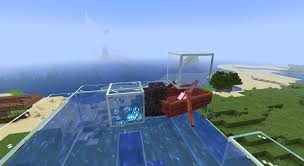
So, you want to build a fish farm in Minecraft, but you’re wondering, “do fish farms work in minecraft anymore?” It’s a question many players ask, especially if they’re new to the game or haven’t played in a while. Sometimes, game updates can change how things work, and you don’t want to spend time building something that won’t even give you fish! Don’t worry, we’ve got you covered.
We’ll walk through exactly how to make sure your fish farm is super successful, step by step. Let’s get your fishing supplies sorted out!
Key Takeaways
- Understand the current mechanics of fish farming in Minecraft.
- Learn how to build an effective passive fish farm.
- Discover tips for maximizing your fish yields.
- Find out what items you can catch besides fish.
- Troubleshoot common issues with Minecraft fish farms.
How Fish Farms Work In Minecraft
In Minecraft, fish farms rely on a few simple game mechanics to function. The game tracks your fishing rod’s ability to catch fish within a certain water area. For a passive farm, the goal is to create a controlled environment where fish spawn and can be easily collected.
This usually involves a contained body of water and a mechanism to catch the fish without the player needing to actively fish with a rod.
The concept is straightforward: you create a spot where fish have a high chance of appearing. Then, you use water streams or other mechanics to bring those fish to a collection point. This way, you get a steady supply of fish without the effort of casting and reeling.
It’s all about setting up the right conditions.
The Importance Of Water Source Blocks
Water source blocks are the foundation of any aquatic endeavor in Minecraft, and fish farms are no exception. These blocks are what create the fluid water that fish need to spawn and live in. You need a consistent and sufficient supply of water source blocks to ensure your farm is viable.
A water source block is a block that holds water without needing another water source block next to it. If you have a hole with water in it, and that water is flowing, it’s not made of source blocks. If you place water from a bucket into an empty space, it becomes a source block.
For a fish farm, you want to fill your farm area with these source blocks to create a stable aquatic environment. The game checks these blocks to see where fish can potentially spawn.
When building your farm, ensure that the water area is completely filled with source blocks. This prevents pockets of air or flowing water that might not support fish spawning. A well-constructed water area makes all the difference in how productive your farm is.
It’s a simple but vital detail for any player asking, “do fish farms work in minecraft anymore?”
Understanding Spawn Conditions For Fish
For fish farms to work, you must understand how and where fish spawn in Minecraft. Fish don’t just appear anywhere there’s water. They have specific requirements related to the type of water, its depth, and the surrounding blocks.
Generally, fish spawn in bodies of water that are at least two blocks deep and have a surface area of at least one block. This means a single block of water isn’t enough. You need a small pool or stream.
The surrounding blocks also play a role. They need to be placed in an area with a certain light level, though this is less critical for passive farms designed to collect fish as they spawn rather than waiting for them to appear during specific fishing times.
The key is to create a suitable habitat. This involves ensuring the water is connected and has enough space. Different fish types might have slight variations in spawning preferences, but for a general farm, the basic requirements are usually met.
The game’s logic is designed to mimic natural aquatic environments, so replicating these conditions is your primary goal.
Passive vs. Active Fishing
When you think about getting fish in Minecraft, there are two main ways: active fishing and passive farming. Active fishing means using a fishing rod, casting it into the water, and waiting for a bite. This is fun and can yield good loot, but it requires your constant attention and input.
A passive fish farm, on the other hand, is designed to generate fish for you without you needing to do anything. You build it once, and it keeps producing fish over time. This is incredibly useful for gathering large quantities of fish for food, potions, or trading.
The mechanics of passive farms focus on creating spawning conditions and then collecting the fish that appear automatically.
This distinction is important because when people ask, “do fish farms work in minecraft anymore?” they are usually referring to these automated, passive systems. The good news is that these passive systems are very much still functional in current versions of Minecraft, and understanding the difference helps you build the right kind of farm for your needs.
Building A Simple Passive Fish Farm
Creating a passive fish farm in Minecraft is quite achievable, even for beginners. The goal is to set up a contained area of water where fish can spawn and then use simple mechanics to collect them. Let’s break down how to build one that reliably provides you with fish.
This design focuses on efficiency and ease of construction. It doesn’t require complex redstone or rare materials. You’ll be able to gather food and other fishing items with minimal effort once it’s set up.
This farm is designed to be a set-it-and-forget-it kind of setup.
Gathering Your Materials
To build a basic passive fish farm, you’ll need a few common items. These are usually readily available early in the game, making this an accessible project. The core components are simple building blocks, a water bucket, and something to collect the fish.
Here’s a list of what you’ll likely need:
- Building blocks (any solid block like cobblestone, dirt, or wood planks)
- A water bucket
- A sign (to prevent water from flowing out)
- A cauldron (optional, for collecting fish)
- A hopper (optional, for automatic collection)
- A chest (optional, for automatic collection)
The exact number of building blocks will depend on the size you choose for your farm. Aim for enough to create a contained pool at least two blocks deep. The sign is crucial for managing water flow, especially when you want to contain a large volume of water in a specific area.
Hoppers and chests are for more advanced collection systems if you want full automation.
Constructing The Water Enclosure
The first step in building your farm is to create the enclosure that will hold the water. This needs to be a space where fish can spawn. A good starting size is a 5×5 area, but you can make it larger or smaller depending on your needs.
The critical factor is the depth of the water.
Dig out a pit that is at least 2 blocks deep. The sides of this pit should be made of your chosen building blocks. This creates a contained space.
If you’re building on the surface, you might want to build walls that are several blocks high to ensure the water doesn’t spill out and that mobs can’t easily get in.
Once you have your pit dug out, it’s time to fill it with water. Use your water bucket to place water sources. Start by placing water in the corners of the pit.
If the pit is wide enough, the water will flow and fill the entire area with source blocks. This creates the perfect environment for fish to spawn. Make sure there are no gaps where water can leak out or where fish can escape.
The Collection Mechanism
Now that you have your water enclosure, you need a way to collect the fish. For a simple passive farm, the easiest method involves using a sign and a way to funnel the fish. You can also use a cauldron or a hopper system for more automated collection.
One common and simple method is to create a small channel at one end of your pool. Place a sign at the bottom of this channel. When you place water on top of the sign, it will flow into the channel but won’t spill out due to the sign.
This allows fish to be pushed into this collection area.
Alternatively, you can use hoppers. Place a hopper at the bottom of your water pool, leading into a chest. This requires careful placement to ensure the hoppers are directly beneath where fish will spawn or be funneled.
The hoppers will automatically pick up any items, including fish, that fall into them.
If you’re using a cauldron, you can position it so that fish are pushed into it. Cauldrons can hold a limited amount of items. For larger farms, a chest connected via hoppers is the most efficient and automated solution.
This ensures that all your harvested fish are stored safely.
Maximizing Your Fish Farm Yields
Once you have a working fish farm, you might wonder how to get even more fish from it. There are several ways to boost the productivity of your farm, ensuring a consistent supply of fish and other valuable loot. These tips focus on optimizing the spawning conditions and collection process.
Increasing yield is all about making the game world think there are more fish to spawn. This involves playing with the mechanics in smart ways. Simple adjustments can lead to significant improvements in your harvest.
Let’s explore how to get the most out of your aquatic farm.
Understanding Luck And Lure Enchantments
While passive farms don’t directly use a fishing rod, the enchantments that affect fishing can indirectly influence your success. Enchantments like Luck of the Sea and Lure are powerful tools for any angler. Luck of the Sea increases the chance of catching treasure and decreases the chance of catching junk.
Lure, on the other hand, significantly speeds up the time it takes for a fish to bite. For passive farms, these enchantments aren’t applied directly to the farm’s collection system. However, if you choose to augment your passive farm with an active fishing component, or if you’re using a hybrid approach, these enchantments become incredibly valuable.
They improve the quality and speed of your catch.
For instance, if your passive farm is set up near a fishing spot where you also actively fish, Luck of the Sea can ensure you get more valuable items like enchanted books or saddles alongside your fish. Lure makes the active fishing part much faster. So, while a purely passive farm doesn’t benefit from these enchantments, understanding them is key to maximizing your overall fishing success in Minecraft.
Optimizing Water Area And Depth
The size and depth of your water enclosure are critical factors in how many fish can spawn. A larger water area means more potential spawning spots. A greater depth can also influence how fish behave and how easily they can be collected.
For passive farms, aim for an area that is at least two blocks deep. This mimics natural aquatic environments where fish thrive. If your farm is too shallow, fish might not spawn as frequently.
Ensure the entire area is filled with water source blocks and is completely enclosed.
Consider making your farm a bit larger than the minimum requirement. A 5×5 or even 7×7 area of water, two blocks deep, can yield substantial results. This ensures that even when fish are collected, there are plenty of other spots for new ones to spawn.
The key is to create a robust aquatic ecosystem within your farm.
The Role Of Light Levels
While light levels are more important for mob spawning in general, they can also play a role in fish spawning. Fish prefer to spawn in areas where the light level is sufficiently high. This is why fish are more likely to appear in open water during the day rather than in dark caves or at night.
For a passive fish farm, it’s usually best to build it in an area that receives natural light, like an open field or a pond. If you are building underground or in a dark area, you might need to place some light sources, such as torches or glowstone, around the perimeter of your farm. This ensures that the light level within the water is high enough to encourage spawning.
However, some modern fish farm designs exploit the fact that fish can spawn even in darker conditions if the water area is sufficiently large and contained. The primary drivers remain the water source blocks and the enclosed space. While light is a factor, it’s generally less of a concern for a well-designed passive farm compared to other mob farms.
Other Items You Can Catch
Fishing in Minecraft isn’t just about catching fish. The game’s fishing mechanic is designed to provide a variety of rewards, including valuable loot. This makes fishing, whether active or passive, a great way to gather resources.
When you set up a fish farm, you’re not just getting food. You can also obtain enchanted books, bows, armor, and other useful items. These items can significantly aid your progression in the game.
Understanding what else you can catch enhances the value of your fish farm.
Junk Items
Besides fish and treasure, you’ll also catch junk items. These are common, less valuable items that are part of the fishing loot table. While they might seem like a nuisance, they can still be useful.
Common junk items include:
- Leather
- String
- Sticks
- Bones
- Potions of Water Breathing (often with negative effects)
These items can be used in crafting or for other purposes. For example, leather can be used to make armor or books. String is essential for crafting bows, crafting tables, and beds.
Even potions, though sometimes unhelpful, can sometimes be useful in specific situations or can be brewed into other potions.
The chance of catching junk is higher if you don’t have any enchantments like Luck of the Sea on your fishing rod. However, for a passive farm, these items will still appear. They add to the variety of resources you can collect.
Some players even find ways to automate the collection and sorting of junk items.
Treasure Items
The real prizes from fishing are the treasure items. These are rare and valuable objects that can significantly boost your gameplay. They are what make fishing such a rewarding activity.
Treasure items include:
- Enchanted Books: These can contain powerful enchantments for your tools, weapons, and armor.
- Saddles: Essential for riding horses.
- Name Tags: Allows you to name any mob or animal.
- Bowls: Used for making mushroom stew.
- Fishing Rods: Often enchanted with Luck of the Sea or Lure.
- Armor: Can include iron, diamond, or even enchanted pieces.
- Tridents: A powerful weapon that can be thrown or used in melee.
The chance of catching treasure is much lower than catching fish or junk. However, with a well-designed and continuously operating fish farm, you will eventually accumulate a good amount of treasure over time. This is one of the biggest reasons why players build and maintain these farms, even asking, “do fish farms work in minecraft anymore?” because the potential rewards are so high.
Common Myths Debunked
There are many ideas about how Minecraft mechanics work, and fishing is no exception. Some of these ideas are outdated, while others are simply misunderstandings. Let’s clear up a few common myths about fish farms.
Myth 1: Fish Farms Only Work With Active Fishing
This is a common misconception. While active fishing with a rod is a primary way to fish, passive fish farms are absolutely functional. They leverage the game’s spawning mechanics to generate fish and loot automatically over time.
The key is to create the right environment for spawning and then a collection system.
Myth 2: Fish Farms Require Complex Redstone
While redstone can be used to create more advanced and automated systems, a basic and highly effective passive fish farm does not require any redstone at all. Simple water mechanics, signs, and hoppers are often all you need to get a productive farm running. This makes them accessible to players of all skill levels.
Myth 3: Fish Farms Don’t Work Anymore After Recent Updates
Minecraft is constantly updated, and sometimes mechanics change. However, the fundamental principles behind passive fish farming have remained consistent for many versions. As long as you follow the basic guidelines of creating a contained water source and proper spawning conditions, your fish farm will work.
The question, “do fish farms work in minecraft anymore?” is often asked out of caution, but the answer is a resounding yes.
Myth 4: You Can Only Catch Fish
This is not true. As discussed, fishing in Minecraft, whether active or passive, can yield a variety of items. You can catch junk items like string and bones, as well as valuable treasure items such as enchanted books, saddles, and armor.
A good fish farm is a source of more than just fish.
Frequently Asked Questions
Question: How big should my fish farm water area be?
Answer: For a basic farm, a 5×5 block area of water that is at least two blocks deep is generally sufficient. You can make it larger for potentially higher yields, but ensure it’s fully contained.
Question: Do I need to be near the farm for it to work?
Answer: Yes, for passive spawning and collection to occur, you generally need to be within a certain range of your farm. The game typically only processes spawns and events when chunks are loaded and you are nearby.
Question: What is the best location for a fish farm?
Answer: An open area with natural light is ideal, as it supports fish spawning. However, with proper lighting, you can build them underground or in other enclosed spaces.
Question: Can I catch salmon and cod specifically?
Answer: Yes, Minecraft has different types of fish that can be caught, including salmon and cod. The type of fish you catch can depend on the biome you are in, but a general farm will yield a mix.
Question: What if my fish farm isn’t producing anything?
Answer: Check that your water area is at least two blocks deep and completely filled with water source blocks. Ensure the area is enclosed and that you are within loaded chunks for spawning to occur.
Summary
Yes, fish farms absolutely still work in Minecraft! The mechanics are reliable, and building a successful passive fish farm is straightforward. By understanding water source blocks, spawn conditions, and collection methods, you can create an efficient system for gathering fish and valuable loot.
Focus on a deep, enclosed water area, and you’ll be well on your way to a steady supply of resources.