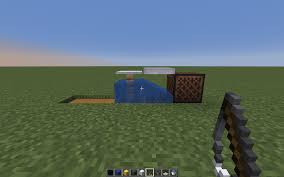
Lots of people wonder, do fish farms work in Minecraft? It can seem a bit tricky at first, especially if you’re new to building things in the game. You might have seen cool farms online and thought, “Can I really do that?” Don’t worry, it’s simpler than it looks!
We’ll show you exactly how to make your very own fish farm, step by step. Get ready to gather lots of fish easily!
Key Takeaways
- Learn how to build a basic fish farm that actually catches fish.
- Discover the different types of fish you can catch and what they’re used for.
- Understand the simple mechanics that make a fish farm successful in Minecraft.
- Get tips for making your fish farm more efficient and productive.
- See how easy it is to get a steady supply of fish for food and crafting.
Understanding Minecraft Fishing Mechanics
Fishing in Minecraft is more than just clicking with a fishing rod. The game has a system for how likely you are to catch something, what you might catch, and how fast it happens. This system is what we use to make a fish farm work.
When you cast your line into water, the game checks for a “catch attempt.” This attempt is influenced by how much water you’re fishing in, and if there are any obstructions nearby. A good fish farm design uses these rules to its advantage, making it super easy to get fish without having to constantly aim your rod.
The chance of catching a treasure, an item, or junk is all part of the game’s random number generator. However, a well-built fish farm can increase your chances of a successful catch and reduce the time spent waiting. This involves creating a contained body of water where the game registers a valid fishing spot.
We’ll break down what makes a spot valid so your farm always works.
The Role of Water Source Blocks
A water source block is what makes water flow and keeps it alive. In Minecraft, water is created from source blocks. To catch fish, you need a certain number of these source blocks around where you’re fishing.
The game needs to see a clear area of water that is at least two blocks wide and two blocks deep. This helps it decide that it’s a place where fish could realistically live and be caught. If your water area is too small or not deep enough, the game might not register it as a valid fishing spot, and you won’t get any bites.
Think of it like a small pond. Fish need enough space to swim around. For Minecraft fishing, this space needs to be a specific size to trigger the game’s fishing mechanics.
Making sure you have enough water source blocks connected is key to a functional fish farm. We’ll explain how to set this up simply.
Valid Fishing Spot Requirements
For the game to consider a spot valid for fishing, it needs a few things. First, there must be a water source block within a certain range of your fishing bobber. Second, the area around the bobber needs to be mostly water.
The game checks for blocks like air, water, or lily pads. If there are too many other types of blocks, like dirt or stone, close to your bobber, it can prevent a catch. The ideal setup usually involves an open area of water with nothing blocking the bobber’s path.
The game also has a system for “fishing experience.” This isn’t something you see on a meter, but it determines how often you get a bite. More valid water blocks and a clear path to your bobber contribute to a better fishing experience. This means you’ll catch fish faster.
We want to maximize this experience for our farms.
Catching Fish and Loot Tables
When you successfully fish, the game pulls from different “loot tables.” These tables decide what you get. There are tables for fish, treasure, and junk. The type of fish you catch depends on the biome you’re in and if you’re fishing in fresh or saltwater.
Common fish include cod, salmon, and pufferfish. Treasures can be enchanted books or rare items. Junk is things like kelp or rotten flesh.
Our fish farm aims to make it easy to catch the fish items. By creating a controlled fishing area, we can influence the chances of getting a fish over junk or treasure. While we can’t perfectly control which fish we get, we can ensure we catch fish more often.
This is great for food and for trading with villagers.
Building Your First Minecraft Fish Farm
Now, let’s get to building! Making a fish farm in Minecraft doesn’t need to be complicated. We’ll guide you through the simplest design that works every time.
This design uses basic blocks and takes just a few minutes to set up. It’s perfect for beginners who want to start catching fish automatically or with minimal effort.
The goal is to create a space where your fishing bobber lands in water and the game recognizes it as a prime spot for fish. This means you get bites more frequently, and you can collect fish without moving much. We will focus on a design that requires you to cast and reel in, but it’s much faster than traditional fishing.
Gathering Your Materials
For the most basic fish farm, you won’t need many resources. Here’s what you should gather:
- Water Bucket: You’ll need at least one, but having a few is handy. This is how you create your water source.
- Solid Blocks: Any type of block will do, like cobblestone, dirt, or wood. You’ll need about 10-15 blocks. These are for building the container for your water.
- Sign: You need one sign. This is a clever trick to keep the water from flowing away and to help the bobber stay in place.
- Fishing Rod: Of course, you need this to fish!
- Optional: Trapdoor: One trapdoor makes fishing even easier by allowing you to stand closer to the water.
These materials are very common, even in the early stages of a Minecraft world. You can find stone almost everywhere, water is abundant, and signs are easy to craft with wood. The trapdoor is also a simple craft.
Step-by-Step Construction Guide
Let’s build it! This is a super simple design.
- Find a good spot: Choose a place with a bit of space around it, preferably not too close to other water sources if you want to be precise.
- Place your blocks: Build a small platform or area using your solid blocks. A simple 3×3 square on the ground works great.
- Place the sign: Stand inside your 3×3 square and place a solid block in the center. Now, place the sign on the side of that center block, facing outwards. This sign is important! It stops the water from flowing away and makes the bobber think it’s in deeper water.
- Fill with water: Use your water bucket to pour water into one of the corners of your 3×3 square. The water should flow and fill the entire area up to the sign block. The water should stop flowing at the sign.
- Add the trapdoor (Optional): If you have a trapdoor, place it on the edge of your 3×3 square, right where you’ll be standing. Open it. This allows you to stand in a way that your bobber will land right next to you, making it very easy to reel in.
- Fish away: Stand near the water (or on the open trapdoor) and cast your fishing rod into the water, aiming for the spot near the sign. When the bobber bobs, reel it in!
This setup creates a perfect fishing spot. The water is contained by the sign and blocks, and the game registers it as a valid fishing area. You’ll get bites much faster than just fishing in an open ocean or river.
How the Sign and Water Work Together
The sign is the secret ingredient in this simple fish farm. When you place water next to a sign, it doesn’t flow through the sign’s block space. This means you can create a contained body of water using fewer blocks.
More importantly, the game registers the space next to the sign as if it were a deeper, more complex water body. This is what helps trick the game into thinking it’s a great place to find fish.
Without the sign, you’d need a much larger pool of water to achieve the same fishing efficiency. The sign is a clever exploit of the game’s physics and mechanics, making your fish farm compact and effective. It’s a small detail that makes a big difference in catching fish quickly.
Advanced Fish Farm Designs
Once you’ve mastered the basic fish farm, you might want to build something more efficient. There are designs that allow for more automated fishing, meaning you can get fish without even casting your rod. These often involve complex redstone contraptions or large water setups, but they yield a much higher reward.
These advanced farms are great for players who need a lot of fish for trading, cooking, or other projects. They require more resources and a better understanding of game mechanics, but the payoff can be huge. Let’s explore some of these ideas.
The Automatic Fish Farm (AFK Fishing)
The automatic fish farm, often called AFK fishing (Away From Keyboard), is a popular design. It uses a specific setup to cast your fishing rod and automatically reel it in when a fish is caught. This lets you gather fish while doing other things or even when you’re not actively playing.
The core idea is to use a button or lever to cast the rod, and then a system that detects when the bobber is pulled, reeling it in instantly.
These farms often involve tripwire hooks, pistons, and a lot of redstone wiring. They are designed to be very efficient, catching fish every few seconds. While the initial setup can be a bit tricky, the rewards in terms of fish and loot are substantial.
Many online tutorials show detailed designs for these.
Understanding Tripwire Hooks and Pressure Plates
A key component in many automatic fish farms is the tripwire hook. When a fishing line connects to a tripwire hook, it sends a redstone signal. This signal can then be used to activate pistons or other redstone components.
The goal is to have the piston push a block to trigger the reel-in mechanism as soon as a fish bites.
Pressure plates can also be used. When you cast your line, the bobber lands in the water. If the bobber is placed correctly, it can trigger a pressure plate.
This plate then activates a mechanism that causes you to reel in the catch. These elements allow for automation by detecting the “catch” moment without manual intervention.
Benefits of Larger Water Reservoirs
While the simple farm uses a small pool, larger farms can increase your catch rate and the variety of fish. A bigger area of water means more chances for the game to register a valid fishing spot. Some advanced designs use massive water tanks filled with many source blocks.
These large reservoirs, when combined with the right mechanics, can significantly boost the speed at which you catch fish. They also ensure that you are always fishing in an optimal location, regardless of where your bobber lands within the reservoir. This is key for long-term, high-volume fish production.
Fish Types and Their Uses
Minecraft offers several types of fish, each with its own uses. Knowing what you can catch helps you understand why building a fish farm is so useful. From simple food to rare potions, fish are valuable.
The most common fish are cod and salmon. These are excellent sources of food. You can cook them to restore more hunger points and gain saturation.
Pufferfish are a bit different; while they can be eaten, they also inflict poison. However, pufferfish are essential for brewing the Potion of Water Breathing.
Cod and Salmon for Food
Cod and salmon are the workhorses of Minecraft fishing for sustenance. When raw, they provide a moderate amount of hunger. However, cooking them in a furnace or smoker dramatically improves their nutritional value.
Cooked cod and cooked salmon are great for restoring hunger and providing saturation, which prevents you from getting hungry for a longer period.
A steady supply of cooked fish from a farm means you’ll rarely have to worry about hunger during your adventures. This is especially helpful when exploring far from your base or during long mining sessions. They are also relatively easy to get in large quantities with a good farm.
Pufferfish and Potions
Pufferfish are a bit more specialized. If you eat a raw pufferfish, it will damage you by poisoning you, making you sick. However, they are a vital ingredient for crafting the Potion of Water Breathing.
This potion allows you to stay underwater for extended periods without drowning, which is incredibly useful for exploring ocean monuments, underwater caves, or building underwater structures.
To brew the Potion of Water Breathing, you need a Potion of Awkwardness, a Nether Wart, and a Pufferfish. This makes pufferfish quite valuable, especially if you plan on doing a lot of underwater exploration. A fish farm that catches pufferfish is a big advantage for these activities.
Other Catches Treasure and Junk
While your primary goal might be fish, fishing also yields treasure and junk items. Treasures can include enchanted books, saddles, name tags, and more. These items can be very rare and useful for enhancing your gear or tools.
Junk items are typically less valuable, such as kelp, seaweed, bowls, or leather.
The chance of catching treasure is higher with a better fishing rod (one with enchantments like Luck of the Sea). Even basic fishing farms can yield some decent loot over time. Collecting these random items adds another layer of benefit to having a fish farm.
It’s a little bit of a lottery with every cast.
Common Myths Debunked
There are a few common ideas about fish farms that aren’t quite right. Let’s clear those up so you know exactly what to expect.
Myth 1: You need a huge ocean to build an effective fish farm.
The reality is that you don’t need a massive ocean. As we’ve shown, a small, controlled body of water with a few source blocks and a clever placement of a sign is enough to make a functional fish farm. The key is creating a valid fishing spot according to the game’s mechanics, not the sheer size of the water.
Myth 2: Fish farms are too complicated for beginners.
Many tutorials make fish farms look complex, but the basic design is incredibly simple. The first farm we described uses only a few common blocks and takes minutes to build. You can catch fish with minimal effort.
Once you’re comfortable, you can explore more advanced designs.
Myth 3: Fish farms don’t actually catch fish consistently.
When built correctly, fish farms are very consistent. The game mechanics are designed to allow fishing in specific conditions. By meeting those conditions with a well-built farm, you are guaranteed to get bites and catches.
The rate might vary based on your rod’s enchantments and the specific design, but they absolutely work.
Myth 4: You can only catch specific fish in certain biomes.
While it’s true that some fish are more common in certain biomes (like salmon in cold biomes), you can catch most common fish anywhere if you set up a valid fishing spot. The biome primarily influences the probability of catching a specific fish, but a farm ensures you get a fish. Advanced farms can even improve the chances of catching rarer fish types.
Frequently Asked Questions
Question: Can I build a fish farm anywhere in Minecraft?
Answer: Yes, you can build a fish farm in most places as long as you can create a valid body of water. This includes rivers, lakes, or even a small dug-out pool.
Question: Do I need enchanted fishing rods for my farm to work?
Answer: No, basic fishing rods work fine. However, enchantments like Luck of the Sea can increase the chance of catching treasure and better fish, making your farm more rewarding.
Question: How much water do I need for a fish farm?
Answer: For the simplest farm, a 3×3 area filled with water up to a sign is sufficient. More water can sometimes increase efficiency in more complex designs.
Question: What happens if I break the sign in my fish farm?
Answer: If you break the sign, the water will likely flow away, and the fishing spot may become invalid. You’ll need to replace the sign and potentially refill the water.
Question: Can I automate my fish farm completely?
Answer: Yes, automatic fish farms, often called AFK farms, can be built using redstone contraptions. These allow you to catch fish without actively fishing.
Final Thoughts
So, do fish farms work in Minecraft? Yes, they absolutely do! Building even the simplest fish farm is straightforward and gives you a reliable way to get food and useful items.
You’ve learned how the game’s mechanics make them possible and how to build your own in just a few steps. Start fishing smarter, not harder!