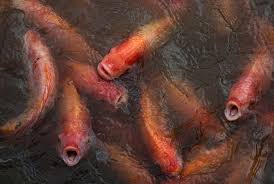
Many people wonder, is fish farming sustainable? It’s a common question, and it can feel a bit confusing at first. There are so many things to think about!
But don’t worry, we’ll break it all down in a super simple way. We’ll go step-by-step so you can easily understand what makes fish farming good or not so good for our world. Get ready to learn the facts and see how we can all make better choices.
Key Takeaways
- Fish farming can be sustainable when managed carefully.
- Different farming methods have varying environmental impacts.
- Sustainable practices reduce pollution and protect natural fish stocks.
- Choosing sustainably farmed fish supports a healthier planet.
- Technology and innovation are key to making fish farming more sustainable.
Understanding Fish Farming
Fish farming, also known as aquaculture, is a way to raise fish and other water creatures in controlled environments. This is done to meet the growing demand for seafood. Unlike catching fish from the wild, aquaculture allows us to grow fish in farms.
These farms can be in oceans, lakes, rivers, or on land in tanks. The goal is often to provide a steady supply of fish for people to eat. This can help reduce pressure on wild fish populations.
However, how these farms are run makes a big difference in whether they are good for the environment.
What Is Aquaculture
Aquaculture is the farming of aquatic organisms like fish, crustaceans, mollusks, and aquatic plants. It involves cultivating these species in controlled environments, such as ponds, tanks, cages, or raceways. This practice has been around for thousands of years, but modern aquaculture has grown significantly in recent decades.
It’s becoming a vital source of food as wild fish catches struggle to keep up with global demand. Different types of aquaculture exist, each with its own set of benefits and challenges.
The main types include freshwater aquaculture, saltwater aquaculture (mariculture), and land-based systems. Freshwater aquaculture happens in lakes, rivers, and ponds, often farming species like tilapia and catfish. Mariculture takes place in the ocean, using net pens or rafts to grow fish, oysters, mussels, and seaweed.
Land-based systems, like recirculating aquaculture systems (RAS), use tanks and can be set up almost anywhere, offering greater control over water quality and waste.
Benefits of aquaculture include providing a reliable food source, creating jobs, and potentially reducing pressure on wild fisheries. However, challenges like pollution, disease outbreaks, and the use of antibiotics can arise if not managed properly. The question of is fish farming sustainable really depends on these management practices.
Why We Farm Fish
The world’s population is growing, and so is the demand for protein. Fish is a healthy and popular source of protein for many people around the globe. Wild fish stocks in our oceans are facing significant pressure from overfishing.
In many cases, wild fish populations are declining. Aquaculture offers a way to produce fish in a more controlled manner. This can help meet the demand for seafood without further depleting wild stocks.
It’s about finding a balance between feeding people and protecting nature.
One key reason for the growth of fish farming is food security. As more people need access to nutritious food, aquaculture can play a vital role. It can provide a consistent supply of fish, unaffected by seasonal changes or unpredictable weather that can impact wild catches.
Also, farmed fish can be grown to specific sizes and qualities desired by consumers. This predictability is a significant advantage for the food industry and consumers alike.
However, the environmental impact must be carefully considered. When fish farms are not managed well, they can cause problems like pollution and the spread of diseases. This is why it’s so important to ask, is fish farming sustainable?
The answer isn’t a simple yes or no; it depends on the methods used.
Environmental Impacts Of Fish Farming
The environmental impact of fish farming is a major concern when we ask, is fish farming sustainable. Different farming methods have different effects on the environment. Some practices can lead to pollution of surrounding waters.
Others can introduce diseases or parasites to wild fish. It’s important to look at these impacts to understand the full picture. We need to know how farms affect water quality, habitats, and wild fish populations.
Water Pollution From Aquaculture
One of the biggest concerns with fish farming is water pollution. Fish farms produce waste, including uneaten food and fish excrement. If this waste is not managed properly, it can accumulate in the water.
This can lead to a decrease in oxygen levels in the water, which harms other aquatic life. High levels of nutrients from waste can also cause algae to grow excessively, a process called eutrophication. This can create “dead zones” where fish and other organisms cannot survive.
Excess feed and waste can settle on the seabed below fish cages. This can damage the local ecosystem. The organic matter decomposes, using up oxygen.
This can create an anaerobic environment, which is harmful to marine life. In some cases, chemicals used to treat fish diseases or control parasites can also enter the environment, further impacting water quality. Strict regulations and best management practices are essential to minimize these pollution problems.
For example, a study on salmon farms in some regions found high levels of nutrient pollution in surrounding waters. This pollution was linked to the large amounts of feed used and the waste produced. As a result, many farms are now implementing better waste management systems.
These systems aim to capture more waste or treat it before it enters the environment. The development of closed-containment systems on land also helps prevent water pollution altogether.
Impact On Wild Fish Populations
Fish farming can also affect wild fish populations. Escaped farmed fish can sometimes breed with wild fish. This can change the genetic makeup of wild populations, making them less adapted to their natural environment.
Escaped fish might also compete with wild fish for food and habitat. This competition can put additional stress on already struggling wild populations. These are critical points when considering is fish farming sustainable.
Another issue is the use of wild fish for feed. Many farmed fish, especially carnivorous species like salmon and tuna, are fed fishmeal and fish oil. This fishmeal and oil are often derived from small, wild-caught fish.
If the demand for feed grows too large, it can lead to overfishing of these forage fish. This overfishing can disrupt marine ecosystems. Many sustainable aquaculture operations are working to reduce their reliance on wild fish for feed.
They are exploring alternative feed ingredients like plant-based proteins and insect meal.
Disease and parasite transmission is also a concern. Fish farms can sometimes be breeding grounds for diseases and parasites. These can then spread to wild fish populations that swim near the farms.
This can weaken wild fish and make them more susceptible to other threats. Strict biosecurity measures are crucial to prevent the spread of diseases from farms to wild populations. Monitoring and control programs are also important for managing these risks.
Habitat Alteration
The physical structures used for fish farming, such as cages, ponds, and pipelines, can alter natural habitats. For instance, net pens in coastal areas can block water flow, affect light penetration, and change the physical structure of the seafloor. Building ponds for aquaculture can involve clearing mangroves or other coastal wetlands, which are important ecosystems for biodiversity and coastal protection.
These changes can have ripple effects throughout the local environment.
Consider the construction of large fish ponds. Often, these require significant land modification. This can involve draining wetlands or clearing vegetation.
These areas might have been home to diverse plant and animal species. Removing them can lead to habitat loss for many creatures. Similarly, placing net pens in bays or estuaries can change the natural water flow and sediment patterns.
This can impact the organisms living in these areas, from small invertebrates to larger marine mammals.
However, some aquaculture practices are designed to minimize habitat alteration. For example, offshore aquaculture uses deep water locations, which can reduce the impact on sensitive coastal habitats. Integrated multi-trophic aquaculture (IMTA) systems, where different species are farmed together, can also help by using the waste from one species to feed another, reducing the overall environmental footprint.
The careful selection of farm sites and the use of less intrusive farming methods are key to minimizing habitat alteration.
Sustainable Fish Farming Practices
When we think about is fish farming sustainable, we must look at the practices used. Sustainable fish farming focuses on minimizing environmental harm while producing healthy seafood. These practices aim to protect water quality, conserve resources, and ensure the long-term health of ecosystems.
By adopting these methods, fish farms can become a responsible way to meet our seafood needs. Several key practices contribute to making aquaculture more sustainable.
Recirculating Aquaculture Systems (RAS)
Recirculating Aquaculture Systems (RAS) are a land-based method of farming fish. In RAS, water is continuously filtered, treated, and reused. This means that only a small amount of fresh water is needed to make up for evaporation and waste removal.
This system significantly reduces the amount of water and land required. It also keeps the fish waste contained, preventing pollution of natural waterways. RAS offers a high degree of control over the farming environment.
These systems use mechanical and biological filters to remove solid waste and ammonia. Ultraviolet or ozone treatment kills harmful bacteria and viruses. This process ensures a clean and healthy environment for the fish.
Because the farms are on land, they can be located away from sensitive coastal or riverine ecosystems. This greatly reduces the risk of habitat alteration and disease transmission to wild populations. It also allows for year-round production, independent of external weather conditions.
RAS farms are often praised for their sustainability benefits. They minimize water usage and eliminate the discharge of untreated wastewater. This makes them an attractive option for areas with limited water resources or strict environmental regulations.
While the initial setup costs for RAS can be high, the long-term benefits in terms of resource efficiency and reduced environmental impact are significant. This technology is playing an increasingly important role in answering the question, is fish farming sustainable.
Integrated Multi-Trophic Aquaculture (IMTA)
Integrated Multi-Trophic Aquaculture (IMTA) is an innovative approach that mimics natural ecosystems. In IMTA, different species that have complementary nutritional needs are farmed together. For example, fish might be farmed alongside shellfish and seaweed.
The waste products from one species are used as food or nutrients by another. Fish waste provides nutrients for seaweed, and shellfish filter waste particles from the water.
This symbiotic relationship helps to recycle nutrients within the farm system. It reduces the amount of waste discharged into the environment. It also decreases the need for external feed inputs.
By diversifying the species being farmed, IMTA systems can also improve economic resilience. They create multiple revenue streams for the farm. The overall environmental footprint of IMTA is significantly lower than traditional single-species farming.
An example of an IMTA system could involve farming salmon (the species producing waste), mussels (which filter waste particles and feed on some suspended solids), and kelp (which absorbs dissolved nutrients like nitrogen and phosphorus). This creates a more closed-loop system, where waste is utilized rather than being discharged. This approach is a strong argument for the potential sustainability of fish farming, directly addressing the core question: is fish farming sustainable.
Sustainable Feed Options
The feed used in fish farming is a critical factor in its sustainability. Traditionally, many carnivorous farmed fish are fed fishmeal and fish oil derived from wild-caught fish. This can put pressure on wild fish populations, as mentioned earlier.
Sustainable aquaculture seeks to reduce this reliance. This is done by developing and using alternative feed ingredients.
These alternatives include plant-based proteins from crops like soy or peas, insect meals, and algal oils. These ingredients can provide essential nutrients for farmed fish without depleting wild fisheries. Research is ongoing to ensure these alternative feeds are nutritious, digestible, and palatable for the fish.
They must also be produced in an environmentally responsible way. The goal is to create a feed supply chain that is sustainable itself.
For instance, some farms are now using insect larvae, like black soldier fly larvae, as a protein source in fish feed. These larvae can be raised on organic waste streams, turning waste into a valuable resource. Algae are also a promising source of omega-3 fatty acids, which are essential for fish health and are typically found in fish oil.
Developing these innovative feed solutions is vital for the future of sustainable aquaculture and for answering the question, is fish farming sustainable.
Certification And Standards
To help consumers identify sustainably produced seafood, various certification programs and standards have been developed. These certifications assess fish farms based on a range of environmental and social criteria. Farms that meet these standards are recognized for their commitment to responsible practices.
This helps guide consumers towards making more sustainable choices.
Some well-known certification bodies include the Aquaculture Stewardship Council (ASC) and the Best Aquaculture Practices (BAP) program. These programs evaluate farms on factors like water quality, waste management, feed sourcing, and social responsibility. Farms that achieve certification must undergo regular audits to ensure they maintain their high standards.
Consumers can often find these certifications on seafood packaging, indicating that the product comes from a responsibly managed farm.
These standards are essential tools for driving improvements in the industry. They provide clear benchmarks for what constitutes sustainable aquaculture. By supporting certified products, consumers can encourage more farms to adopt these best practices.
This collective effort is crucial for ensuring that aquaculture can continue to provide seafood while protecting the planet. This directly contributes to a more positive answer to the question, is fish farming sustainable.
Comparing Sustainable And Unsustainable Methods
To truly grasp is fish farming sustainable, it helps to see the difference between good and bad practices. Unsustainable methods often rely on older techniques that have significant environmental downsides. Sustainable methods, on the other hand, use innovation and a deeper understanding of ecosystems to minimize harm.
Looking at these contrasts makes the benefits of responsible aquaculture much clearer.
Intensive vs. Extensive Farming
Intensive fish farming involves raising a large number of fish in a small area, often using artificial feeds and tanks. This can lead to high productivity but also poses risks of disease outbreaks and pollution if not managed properly. Waste concentration can be a major issue, and the reliance on external inputs like feed and antibiotics can be high.
Extensive fish farming involves raising fish in larger, more natural environments, with lower stocking densities. This method typically has a lower environmental impact per unit of production but may yield less fish. These systems often rely more on natural food sources.
The challenge here is ensuring that the natural environment can support the farming activity without being overwhelmed.
Is fish farming sustainable when it’s intensive? It can be, with advanced technologies like RAS. However, poorly managed intensive farms are a major source of pollution.
Extensive farming can be more naturally sustainable but needs careful management to avoid over-taxing local resources. The key lies in balancing productivity with ecological limits.
Open Net Pens vs. Land-Based Systems
Open net pen systems, often used in large-scale ocean farms, have fish in cages submerged in the sea. While this allows for natural water flow, it also means waste and potential diseases can easily spread into the surrounding environment. Escaped fish are also a concern.
These farms can impact wild fish, seabed habitats, and water quality.
Land-based systems, such as RAS, are completely enclosed. They filter and recirculate water, minimizing discharge and waste. This offers greater control over the farming environment and significantly reduces the risk of pollution or disease spread to wild populations.
While they require more energy, their contained nature makes them a strong candidate for sustainable aquaculture.
A comparison of these methods highlights the trade-offs.
| Feature | Open Net Pens | Land-Based Systems (RAS) |
|---|---|---|
| Water Usage | High (open to environment) | Low (recirculated) |
| Waste Discharge | High potential for pollution | Very low (contained and treated) |
| Disease Spread Risk | Moderate to high | Very low |
| Habitat Impact | Potential impact on seabed and water flow | Minimal (on-site infrastructure) |
| Energy Use | Lower energy per unit of fish | Higher energy for pumps and filtration |
This table clearly shows why land-based systems are often seen as more sustainable when considering is fish farming sustainable.
Benefits Of Sustainable Aquaculture
When fish farming is done the right way, it offers many benefits. These benefits go beyond just providing food. Sustainable aquaculture can help protect our oceans and rivers.
It can also support local economies and create jobs. Understanding these advantages helps us see why investing in and choosing sustainable practices is so important.
Food Security And Nutrition
Sustainable aquaculture plays a vital role in global food security. As wild fish catches become more unpredictable and limited, farmed fish provide a reliable source of protein. This is especially important in regions where fish is a primary food source.
Farmed fish are often rich in essential nutrients like omega-3 fatty acids, vitamins, and minerals, contributing to healthier diets worldwide.
By producing fish in a controlled manner, aquaculture can help stabilize food prices and ensure consistent availability. This is crucial for populations that depend on seafood for their nutritional needs. It helps prevent shortages and makes healthy food more accessible to more people.
This reliable supply is a significant benefit for global nutrition and well-being.
For example, tilapia and catfish are farmed in many developing countries. They are a cost-effective source of protein for local communities. This farming helps improve nutrition where other protein sources might be scarce or too expensive.
This contribution to food security is a powerful argument for making fish farming sustainable.
Reducing Pressure On Wild Fisheries
One of the most significant benefits of sustainable aquaculture is its potential to alleviate pressure on wild fish populations. Overfishing has led to the decline of many wild fish stocks, threatening marine ecosystems. By farming fish, we can meet consumer demand without further depleting these vulnerable wild populations.
This allows wild fisheries to recover and remain healthy for future generations.
When aquaculture is managed responsibly, it can act as a complement to wild-caught seafood. It provides an alternative source that does not contribute to the overexploitation of marine resources. This is particularly important for species that are heavily fished in the wild.
Aquaculture can help ensure that seafood remains available without causing irreversible damage to ocean ecosystems.
Consider the case of cod or tuna. These species have faced significant overfishing. By farming species like salmon or tilapia, we can reduce the demand for wild-caught fish that are at risk.
This allows conservation efforts for wild stocks to be more effective. This direct benefit to marine conservation is a key reason to focus on making aquaculture sustainable.
Economic Opportunities And Job Creation
Fish farming, especially when done sustainably, can create significant economic opportunities. It provides jobs in rural and coastal communities, often in areas with limited other employment options. These jobs can range from farm management and fish husbandry to processing, marketing, and research.
This economic activity can boost local economies and improve living standards.
Moreover, aquaculture can diversify rural economies, making them more resilient to changes in other industries, like traditional fishing. It can foster entrepreneurship and innovation. Farmers can develop new methods and technologies to improve efficiency and sustainability.
This can lead to a more stable and prosperous future for these communities.
In many coastal regions, aquaculture has become a primary source of income. For example, the oyster and mussel farming industry provides employment and revenue. These shellfish also help improve water quality.
This dual benefit of economic growth and environmental improvement underscores the potential of well-managed aquaculture. This aspect is crucial when assessing is fish farming sustainable from a human perspective.
Common Myths Debunked
Myth 1: All Fish Farming Is Bad For The Environment
This is a common misconception. While some fish farming practices can be harmful, many modern farms are adopting sustainable methods. These new approaches significantly reduce environmental impacts.
Not all aquaculture is the same. Responsible farms use technologies like RAS and IMTA to minimize pollution and waste. They also focus on sustainable feed sources.
Therefore, it’s inaccurate to label all fish farming as environmentally destructive.
Myth 2: Farmed Fish Are Unhealthy And Full Of Chemicals
This myth often stems from outdated practices or isolated incidents. Reputable and certified fish farms follow strict regulations regarding the use of antibiotics and chemicals. Sustainable farms use treatments judiciously and often implement preventative measures to keep fish healthy.
Furthermore, many farmed fish are rich in beneficial nutrients. Consumers can look for certifications like ASC to ensure they are buying fish raised with care for health and the environment.
Myth 3: Fish Farming Destroys Natural Habitats
While poorly planned farms can alter habitats, many sustainable aquaculture operations prioritize minimizing their footprint. Land-based systems like RAS do not impact natural aquatic environments. Farms located in oceans are increasingly being sited in areas that minimize ecological disruption.
Furthermore, some forms of aquaculture, like seaweed farming, can actually improve water quality and provide habitat for other marine life.
Myth 4: Fish Farming Is The Sole Cause Of Declining Wild Fish Stocks
The primary driver of declining wild fish stocks is overfishing by commercial fishing fleets. While escaped farmed fish can pose some challenges, the scale of impact is generally far less than that of widespread overfishing. Sustainable aquaculture aims to reduce the need for fishing wild stocks, thereby helping to protect them.
It can be part of the solution, not just the problem.
Frequently Asked Questions
Question: Is it safe to eat farmed fish
Answer: Yes, it is generally safe to eat farmed fish. Reputable aquaculture operations follow strict guidelines for fish health, feed quality, and water safety. Look for certifications like the Aquaculture Stewardship Council (ASC) to ensure your seafood comes from a responsibly managed farm.
Question: What is the difference between wild caught and farmed fish
Answer: Wild caught fish are harvested from their natural ocean or freshwater habitats. Farmed fish are raised in controlled environments like tanks or pens. The sustainability of each depends on the specific fishing or farming practices used.
Question: Are there any specific types of farmed fish that are more sustainable
Answer: Yes, bivalves like oysters, mussels, and clams are often considered very sustainable as they filter water and require minimal feed. Herbivorous fish like tilapia and plant-eating fish are generally more sustainable than carnivorous species that require fishmeal in their diet.
Question: How can I tell if fish is farmed sustainably
Answer: Look for credible certifications on the packaging, such as the ASC label. These certifications indicate that the farm meets rigorous environmental and social standards.
Question: Does fish farming use a lot of antibiotics
Answer: Sustainable fish farms aim to minimize antibiotic use through good management practices, disease prevention, and careful monitoring. While antibiotics may be used when necessary, responsible farms adhere to strict guidelines to limit their application.
Final Thoughts
So, is fish farming sustainable? Yes, it can be, with the right practices. Modern farms are using smart methods to protect our waters and fish.
Choosing certified products helps support these good farms. By making informed choices, we ensure healthy seafood for everyone and a healthy planet for the future.